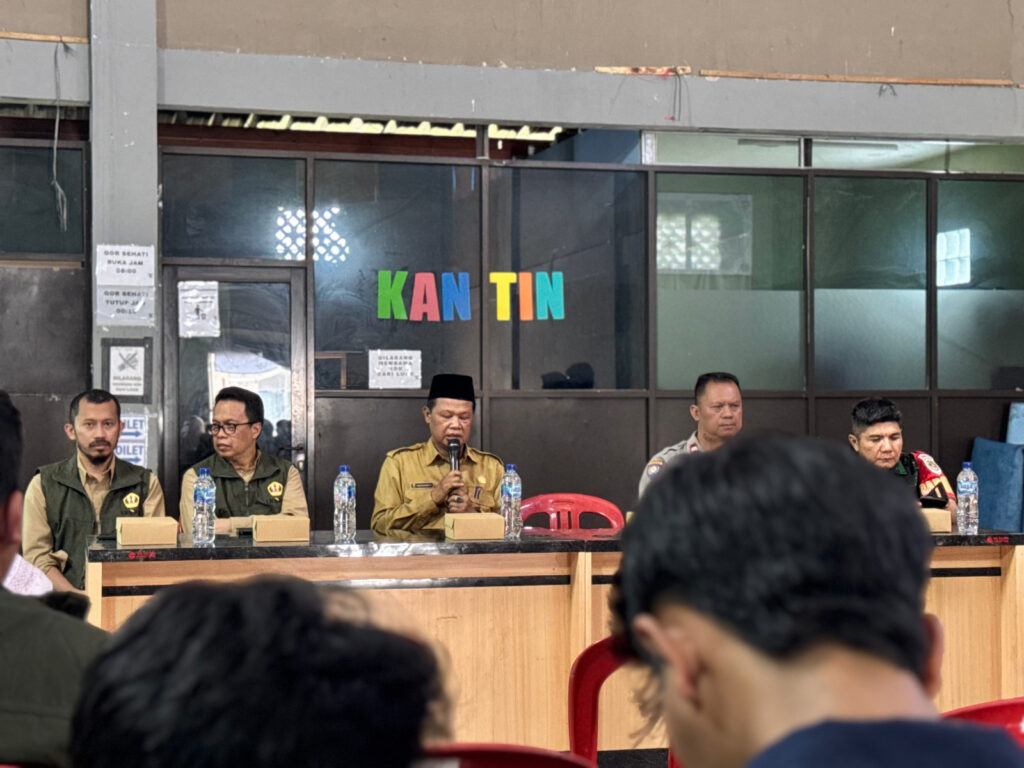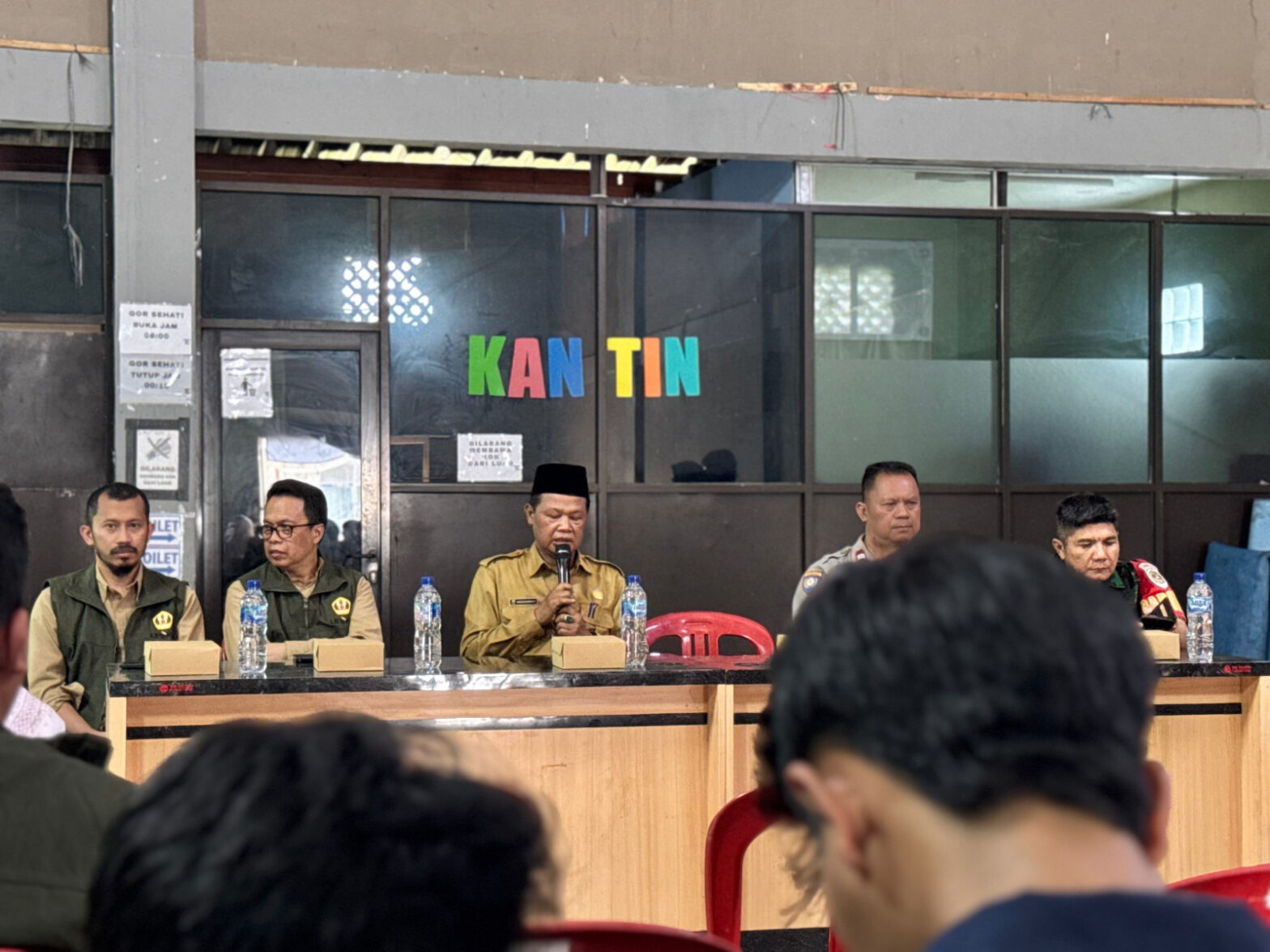
The Faculty of Economics and Business at Universitas Padjadjaran (FEB Unpad) officially closed its Community Service Learning Program (KKN-PPM) in Sukawangi Village, Warungkondang District, Cianjur Regency, on August 11, 2026. The closing ceremony was held at the Sukawangi Village Hall.
The event brought together the PPM Project Manager, FEB Unpad’s Manager of Research and Cooperation, program lecturers, the Sukawangi Village Head and local officials, along with the students who took part in the program.
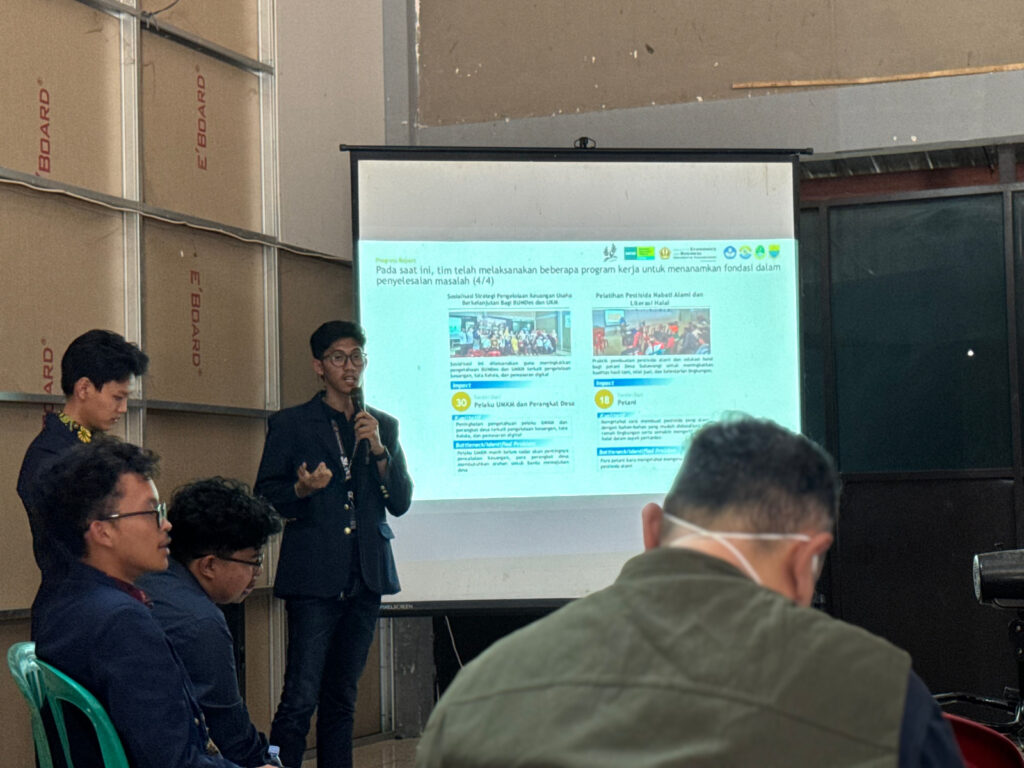
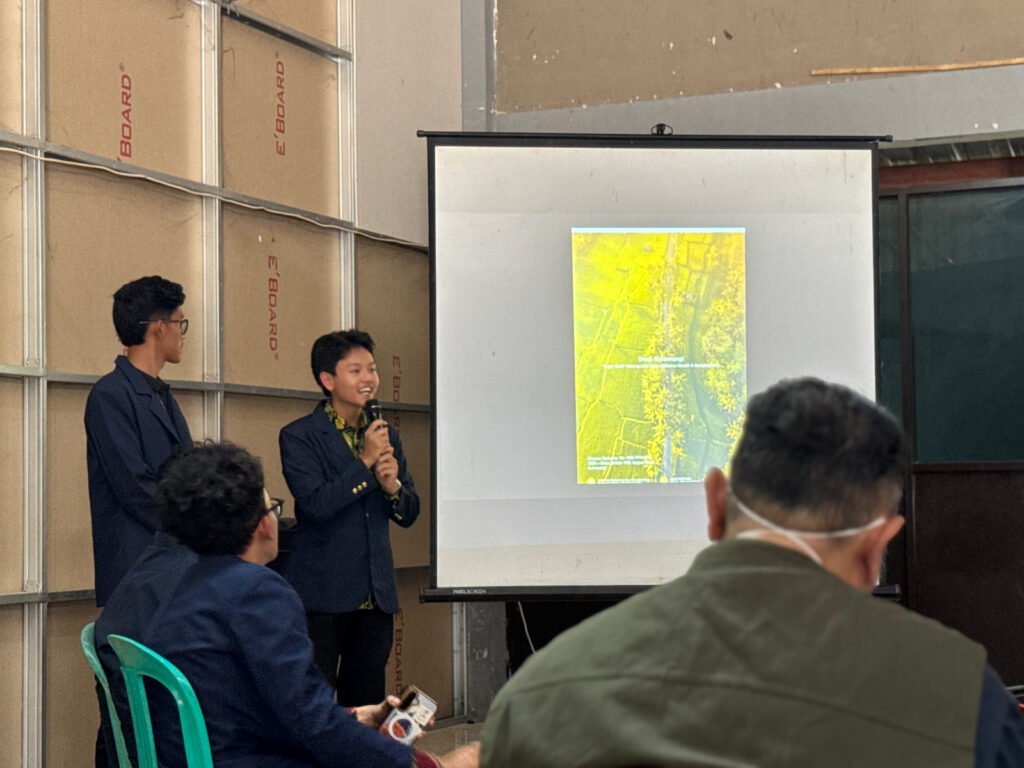
The ceremony opened with a report from student representatives, who presented the outcomes of three program clusters carried out throughout the initiative. Working alongside their supervising lecturers, students ran a range of activities aimed at strengthening financial governance, developing agribusiness and small enterprises, and building the community’s economic literacy and resilience.
In the area of village-owned enterprise (BUMDes) and financial governance, more than 35 participants gained a clearer understanding of transaction recording, separating business from household finances, capital management, digital bookkeeping, and financial transparency and accountability. The sessions also opened a dialogue between BUMDes administrators and resource speakers on improving internal governance and expanding business units. As a follow-up, students handed over a financial management module that BUMDes, cooperatives, small businesses, and village officials can use as a practical guide for improving how they run their operations.
The agribusiness and value chain program sharpened the skills of local farmers and small business owners, who gained fresh insight into business management, network building, and marketing strategy. Eight participants also learned the craft of Shibori batik-making, along with how to use digital platforms to expand their market reach.
In agriculture, 18 farmers learned to produce plant-based pesticides while gaining a deeper understanding of halal principles within the agricultural value chain. A further 21 farmers picked up the basics of making liquid organic fertilizer using materials readily available in their surroundings. The program also produced a catalog featuring nine active small businesses in Sukawangi Village, complete with location details mapped through Google Maps — an output designed to spotlight local products and make it easier for consumers to find them.
Efforts to strengthen the community’s social and economic resilience included education on online fraud, illegal online lending, online gambling, fraudulent investment schemes, and the risks of informal borrowing. The sessions reached 40 participants from social assistance recipient groups, sharpening their awareness of various financial risks.
Waste-sorting education reached 89 participants from three groups of mothers receiving support through the Family Hope Program (PKH). By the end of the sessions, participants were able to distinguish between different types of waste and understood how to sort them properly. Students also distributed booklets the community can continue to use as a reference once the program concludes.
A discussion forum on sharia-based economics, meanwhile, deepened the understanding of Merah Putih Village Cooperative administrators and village officials regarding Islamic commercial contracts (akad muamalah) and the principles of halal and haram in economic activity. A separate digital financial literacy session, attended by 17 participants from PKK women’s groups and Posyandu cadres, showed a clear improvement in understanding based on a comparison of pre- and post-test results.
In his remarks at the closing ceremony, the Sukawangi Village Head expressed appreciation and gratitude for the dedication shown by FEB Unpad’s lecturers and students. He noted that the various programs had brought valuable knowledge, skills, and benefits to the community while also supporting the development of the village’s economic potential.
The Sukawangi Village Government expressed hope that its partnership with FEB Unpad will continue in future KKN-PPM programs, noting that sustained collaboration is essential to build on what has already been started through broader, ongoing mentorship.
Overall, FEB Unpad’s KKN-PPM program delivered measurable gains in community knowledge and skills, along with several lasting outputs — including a financial management module, a business catalog with mapped locations, and a waste-sorting booklet. These results are expected to lay the groundwork for continued collaboration between FEB Unpad, the Sukawangi Village Government, village economic institutions, and the community as they work together to strengthen the village’s economic independence and resilience.