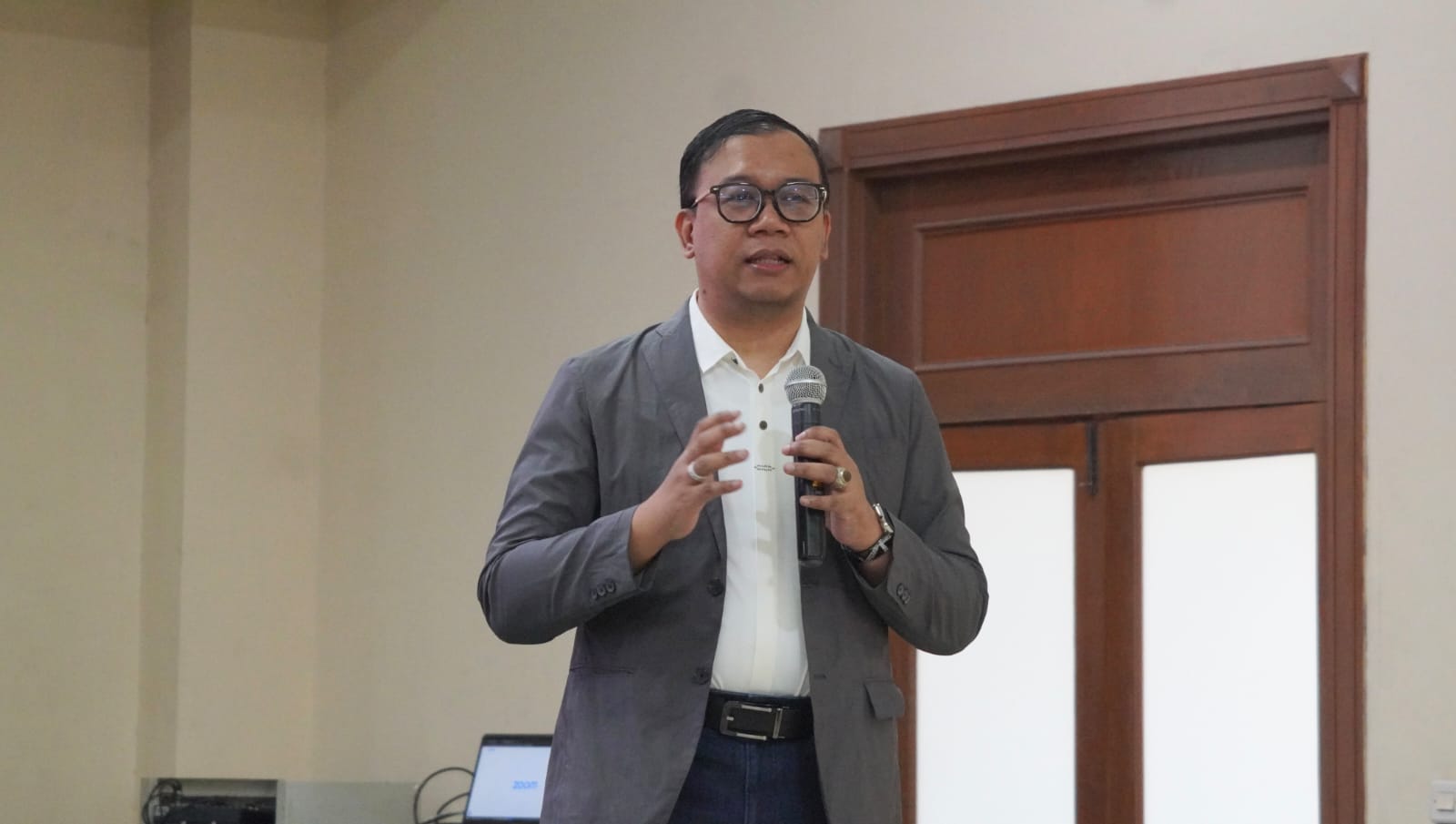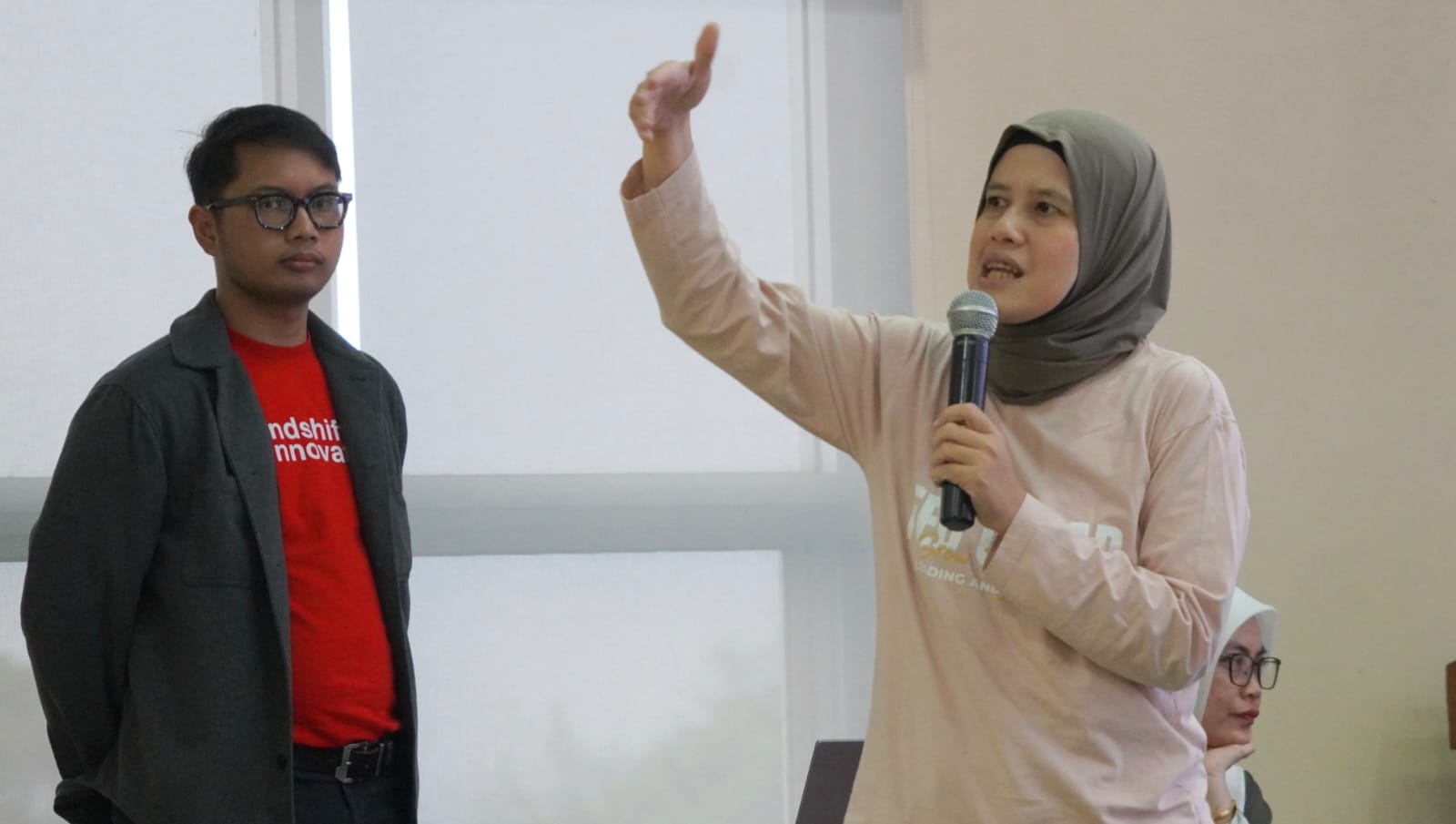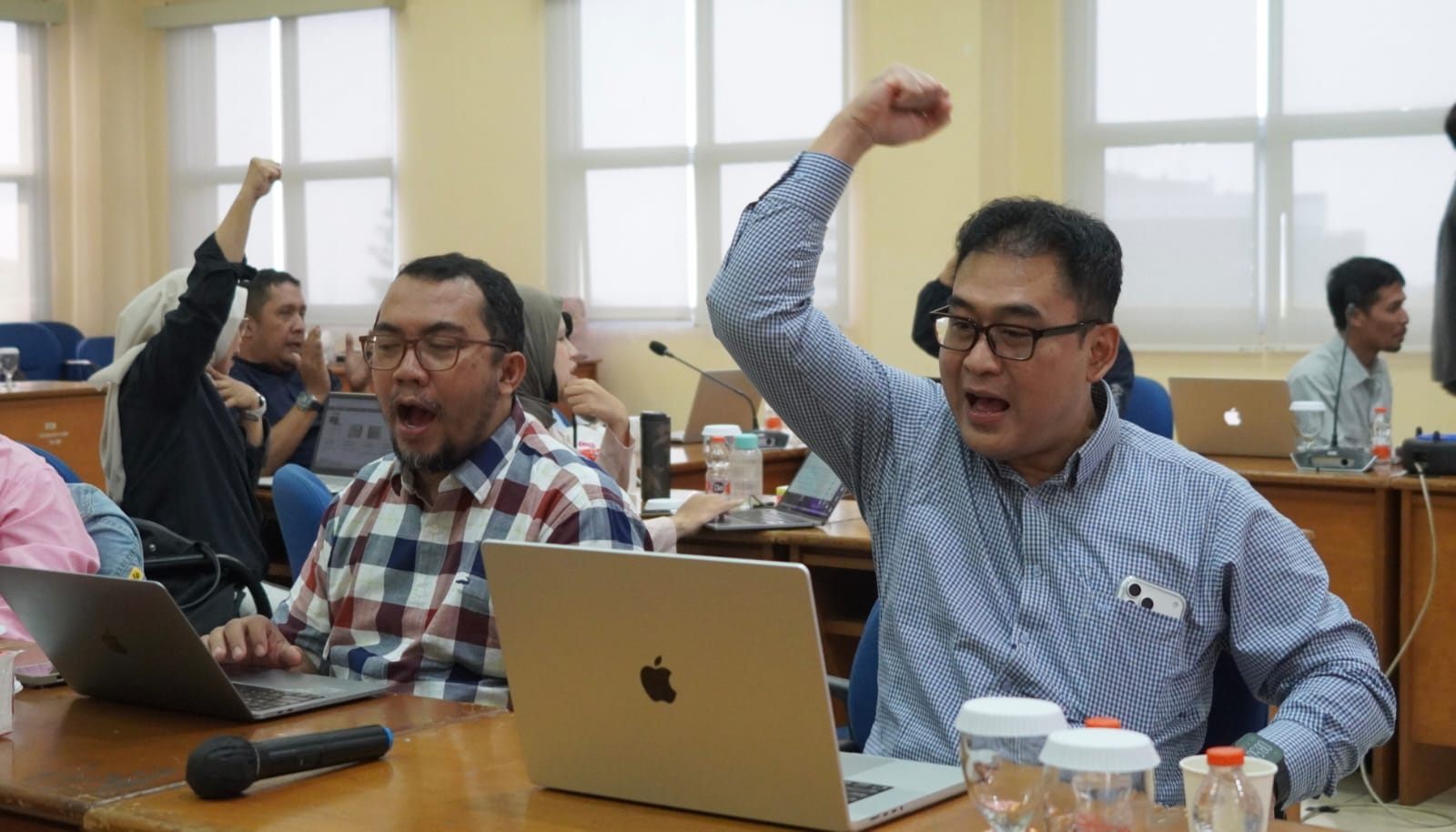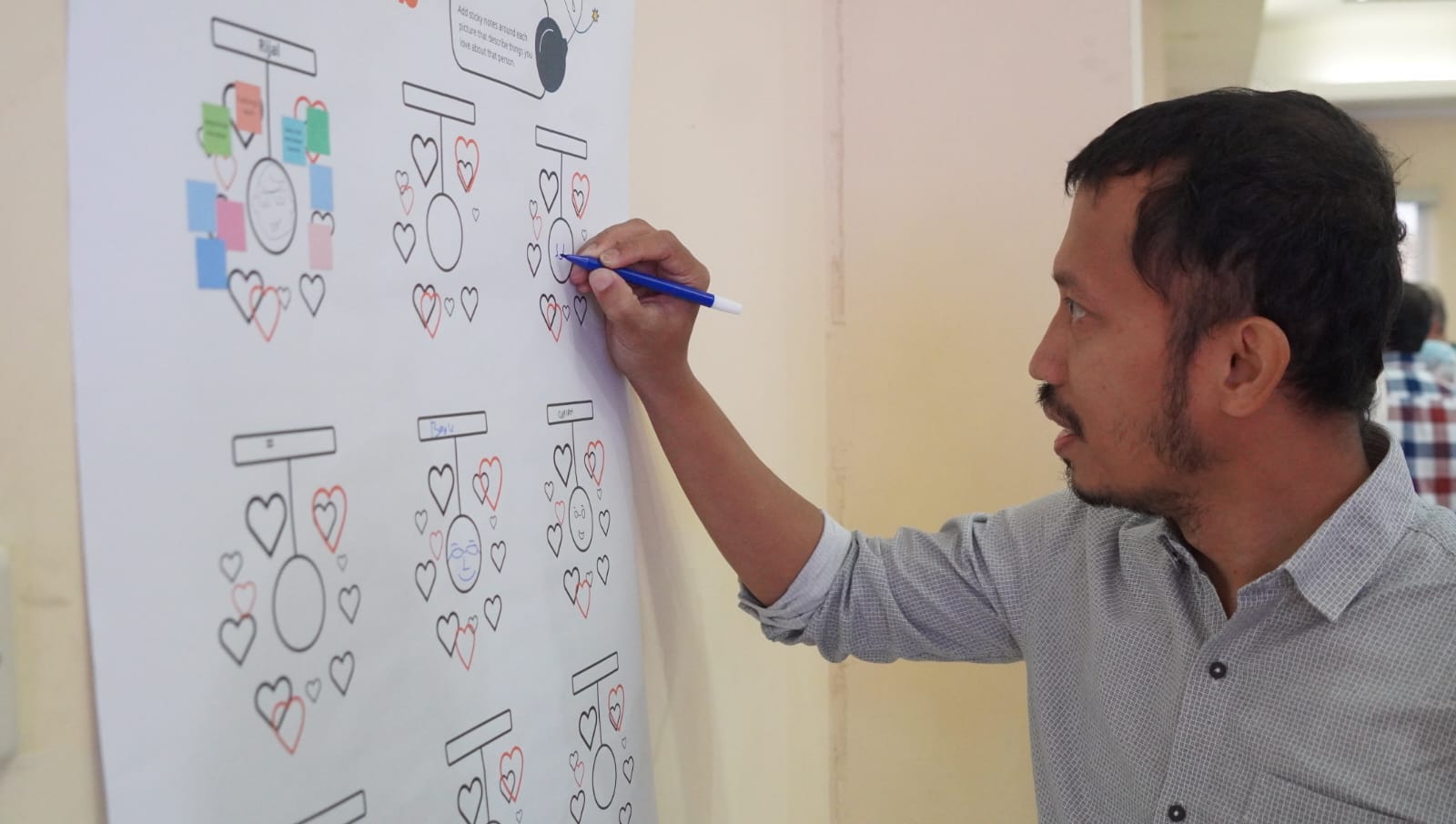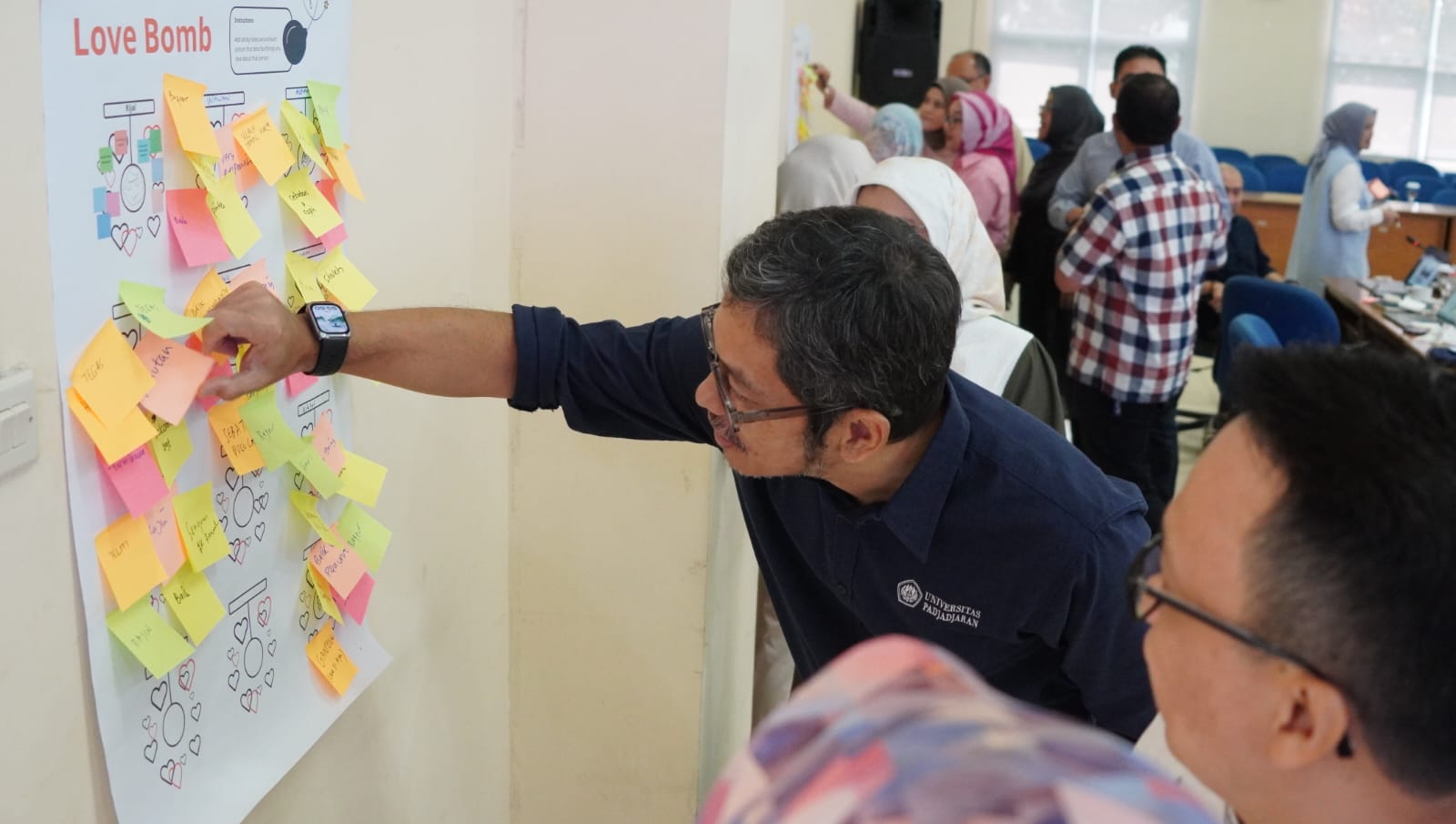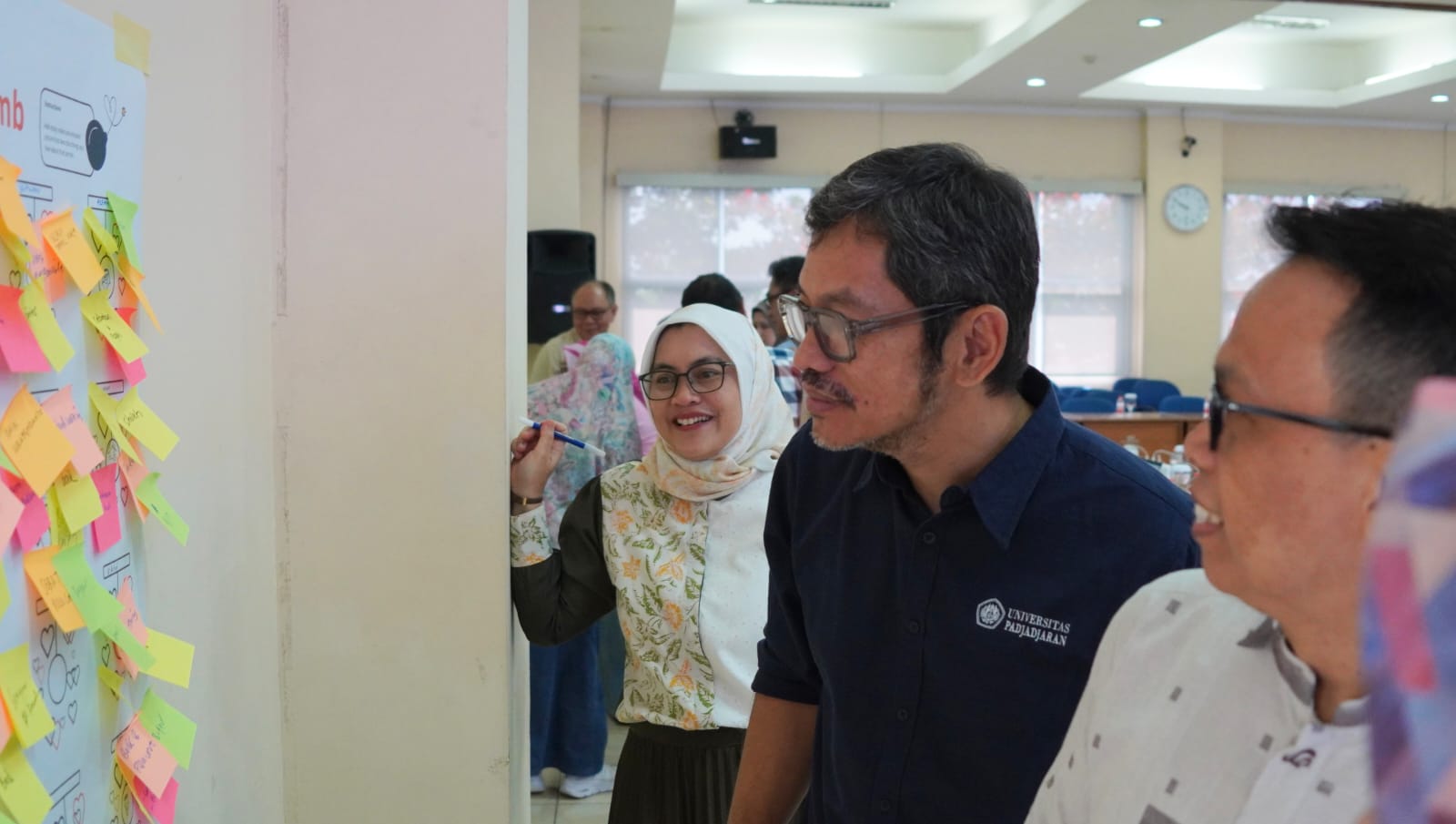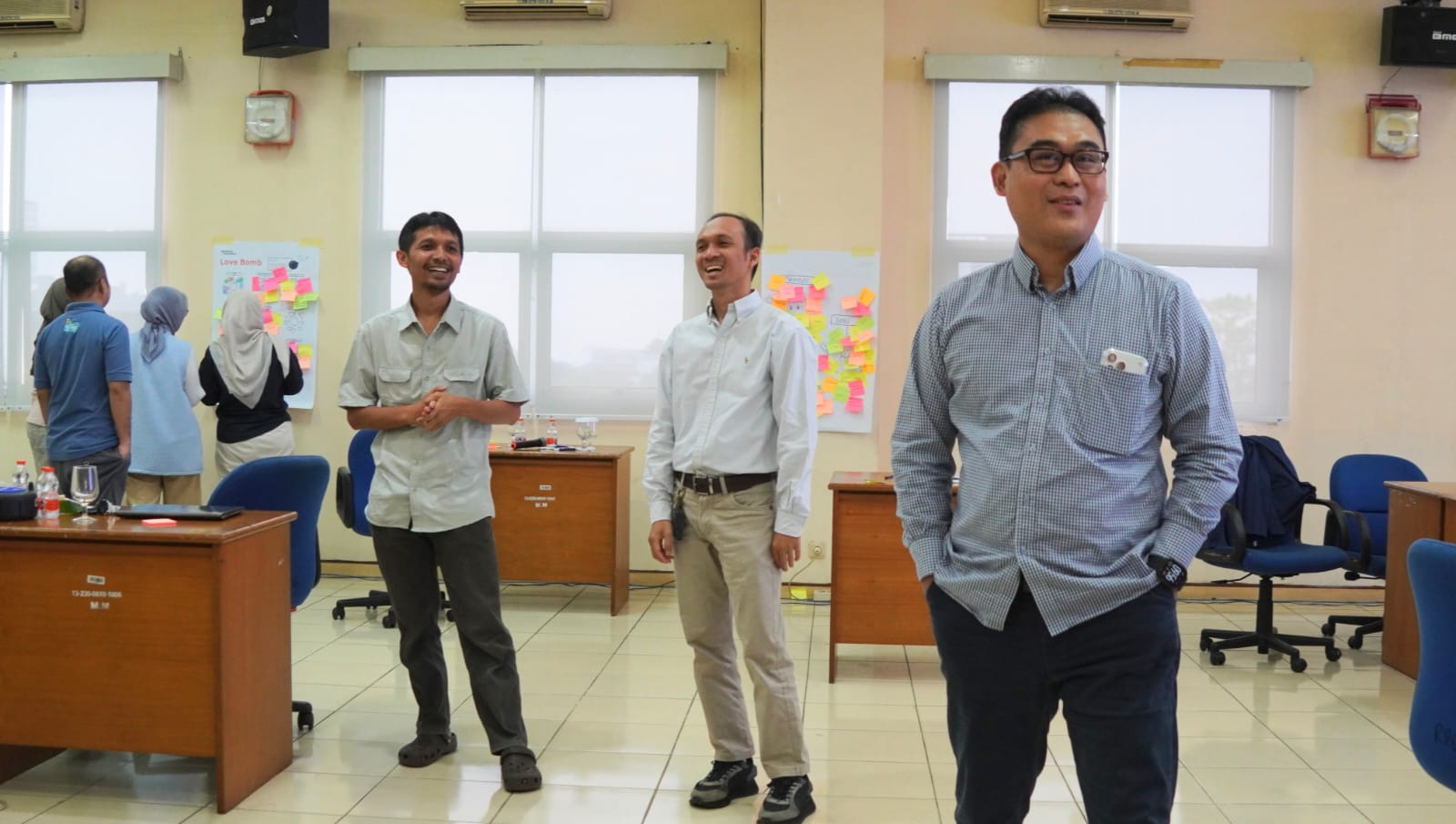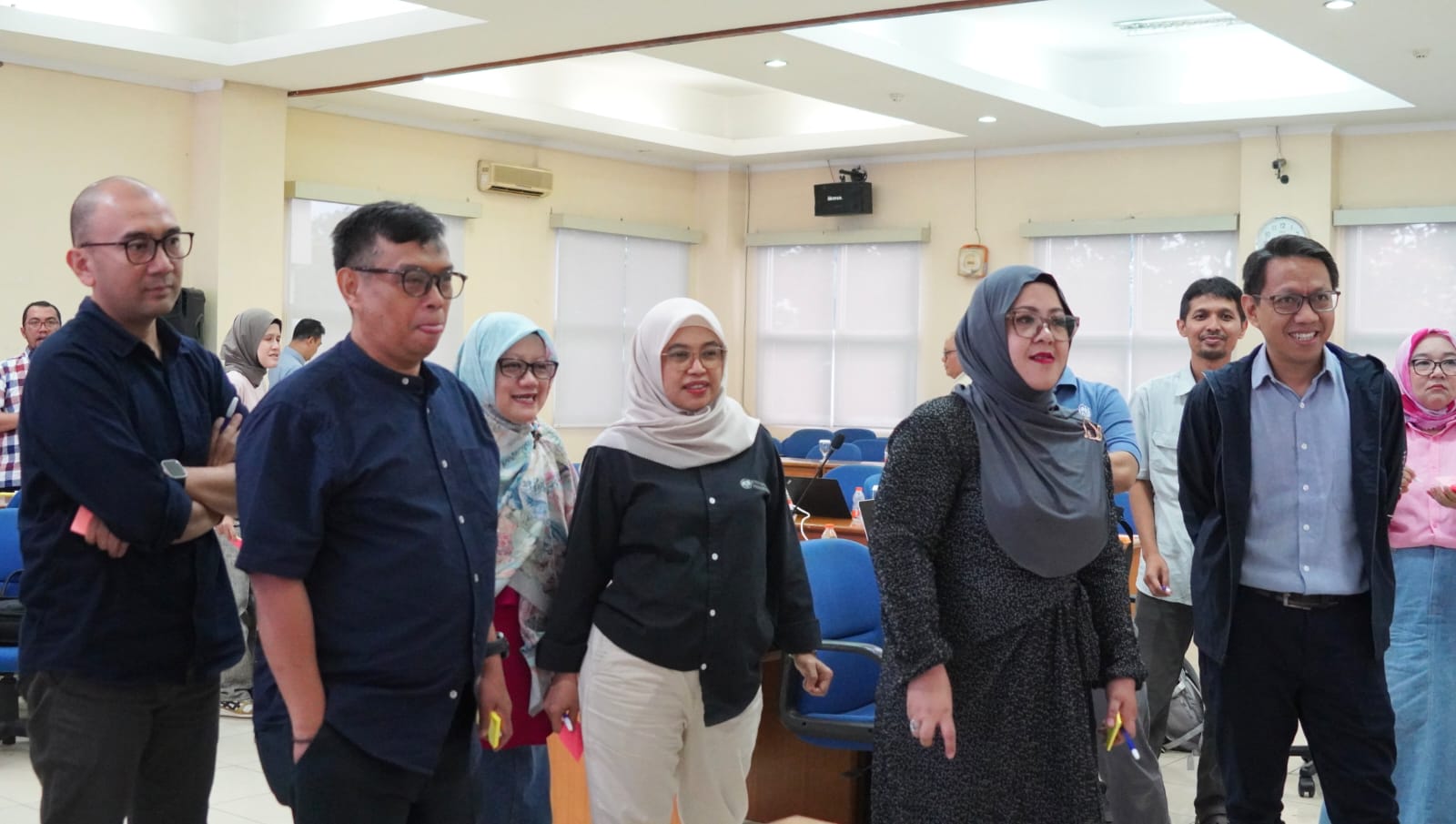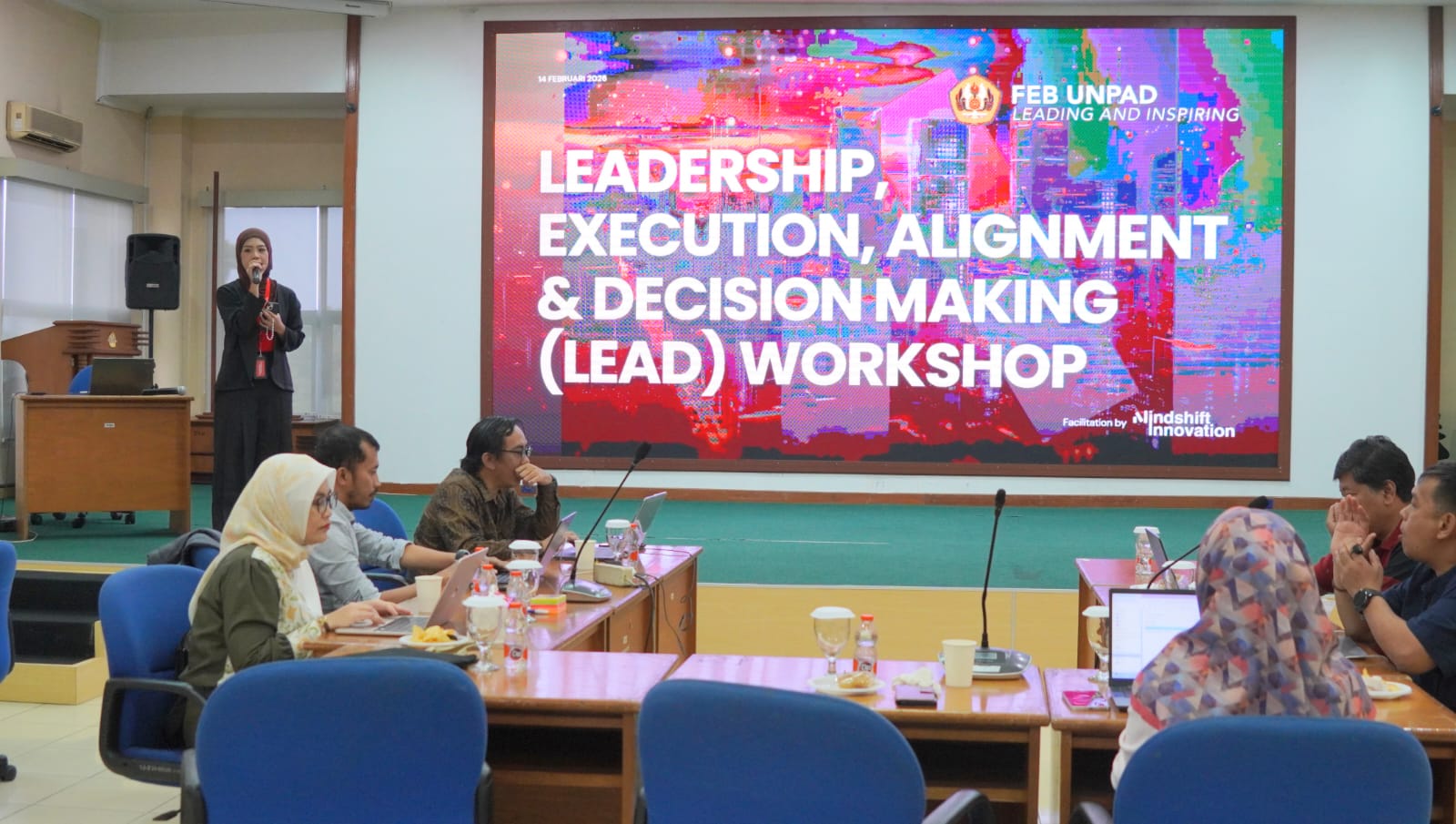
The Faculty of Economics and Business, Padjadjaran University (FEB Unpad) held a Management Workshop on Saturday, February 14, 2026, in the Hall of the Master of Management Building, 4th Floor, Dipati Ukur Campus, Bandung. Themed “LEAD: Leadership, Execution, Alignment & Decision Making,” the event was attended by all FEB Unpad management for the 2024–2030 period, including department heads, study program heads, managers, heads of study centers, and unit heads.
The workshop was opened by the Dean of FEB Unpad, Prof. Dr. Mohamad Fahmi. In his remarks, the Dean emphasized the importance of this momentum as a strategic opportunity to align the faculty’s vision and mission for the next four years. Furthermore, this activity also aimed to prepare priority agendas for the even semester of the 2025/2026 Academic Year.
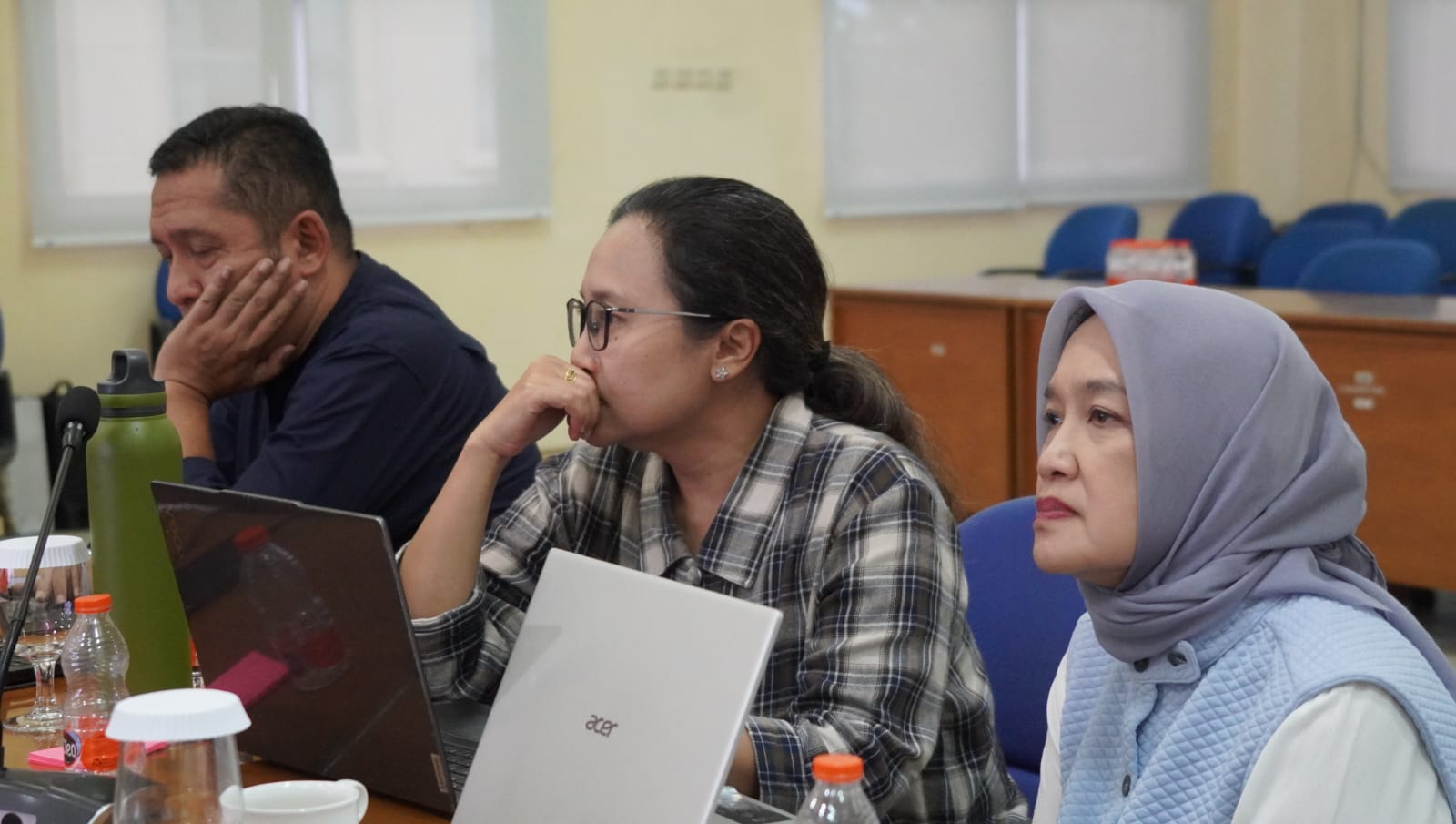
The workshop session began with a presentation by Prof. Dr. Alfiah Hasanah discussed quick-win strategies for strengthening governance and achieving AACSB international accreditation standards. This presentation served as a common foundation for all administrators in translating faculty policy direction into their respective work programs.
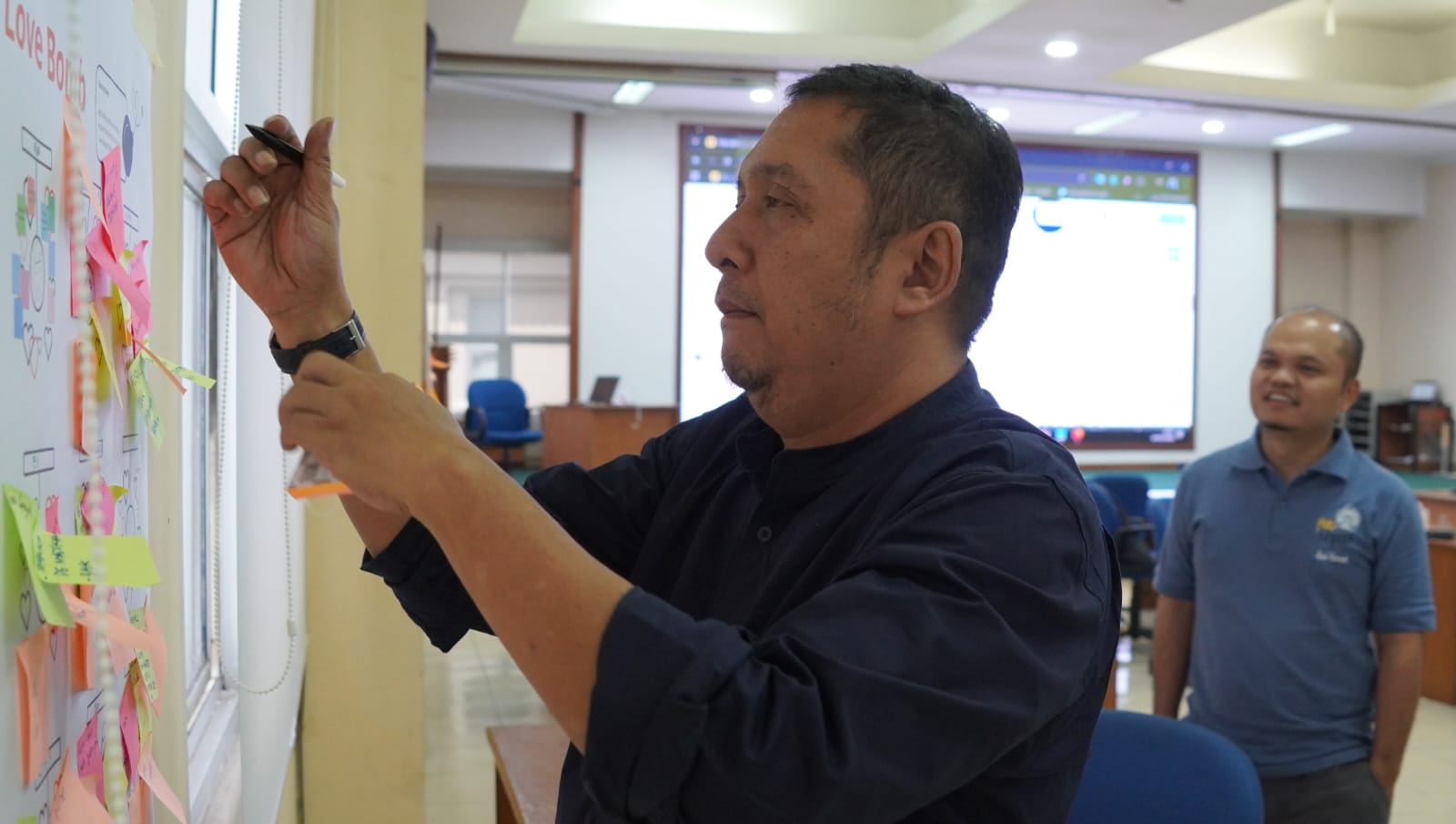
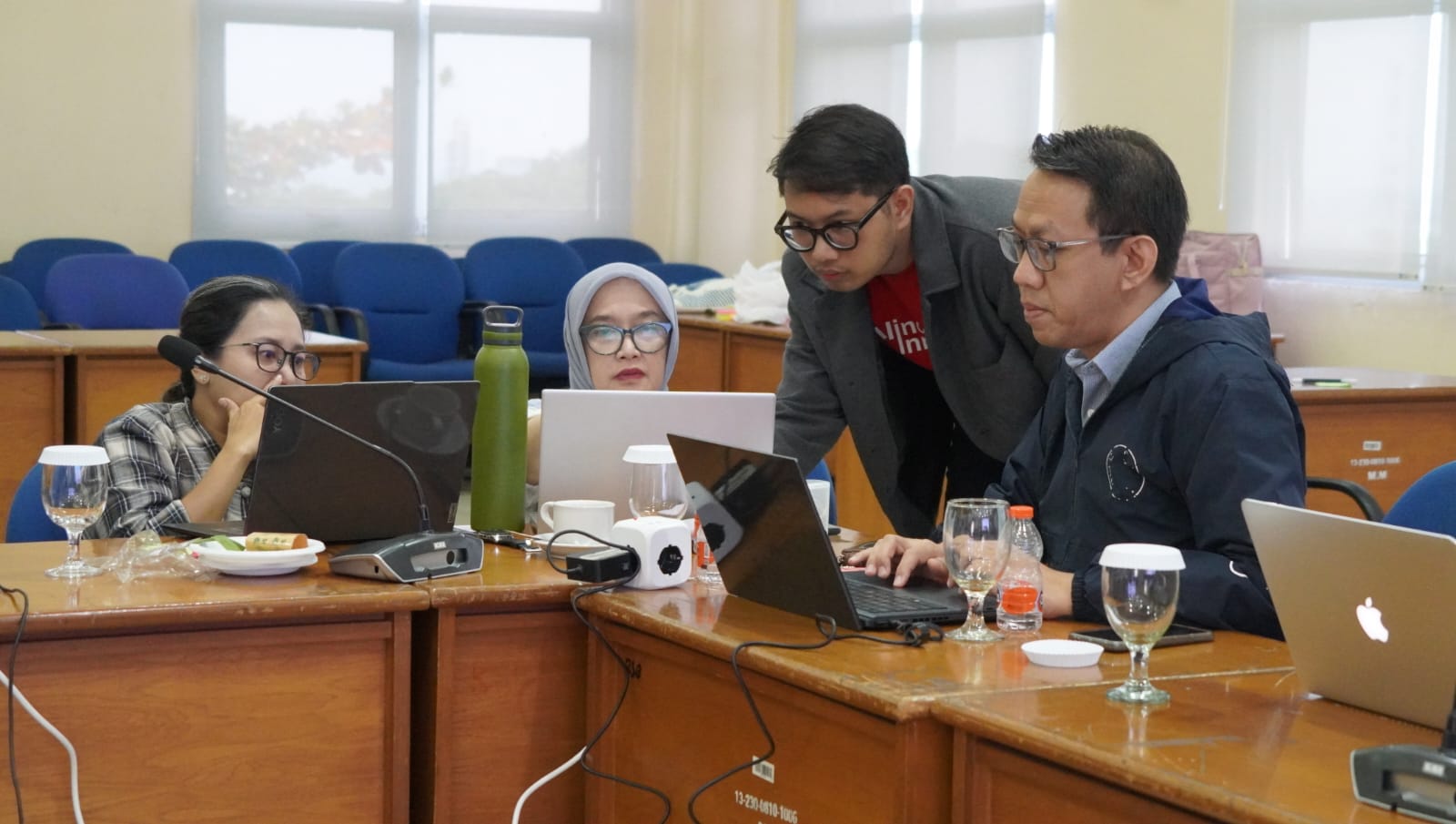
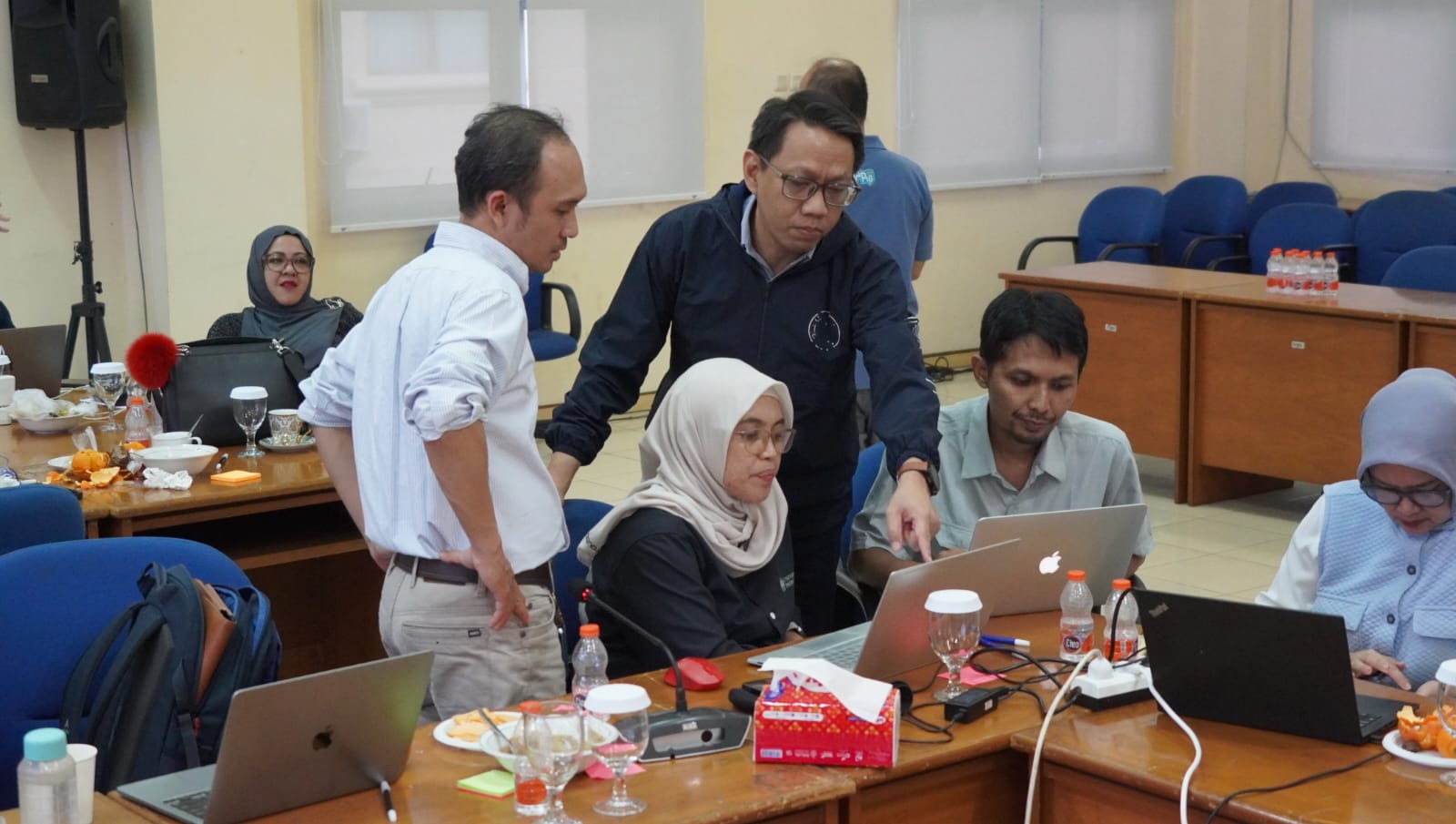
In the managerial skills workshop, participants were divided into three groups based on their departments: Accounting, Economics, and Management. In the Managerial Skills session, administrators were trained to formulate systematic, data-driven solutions.
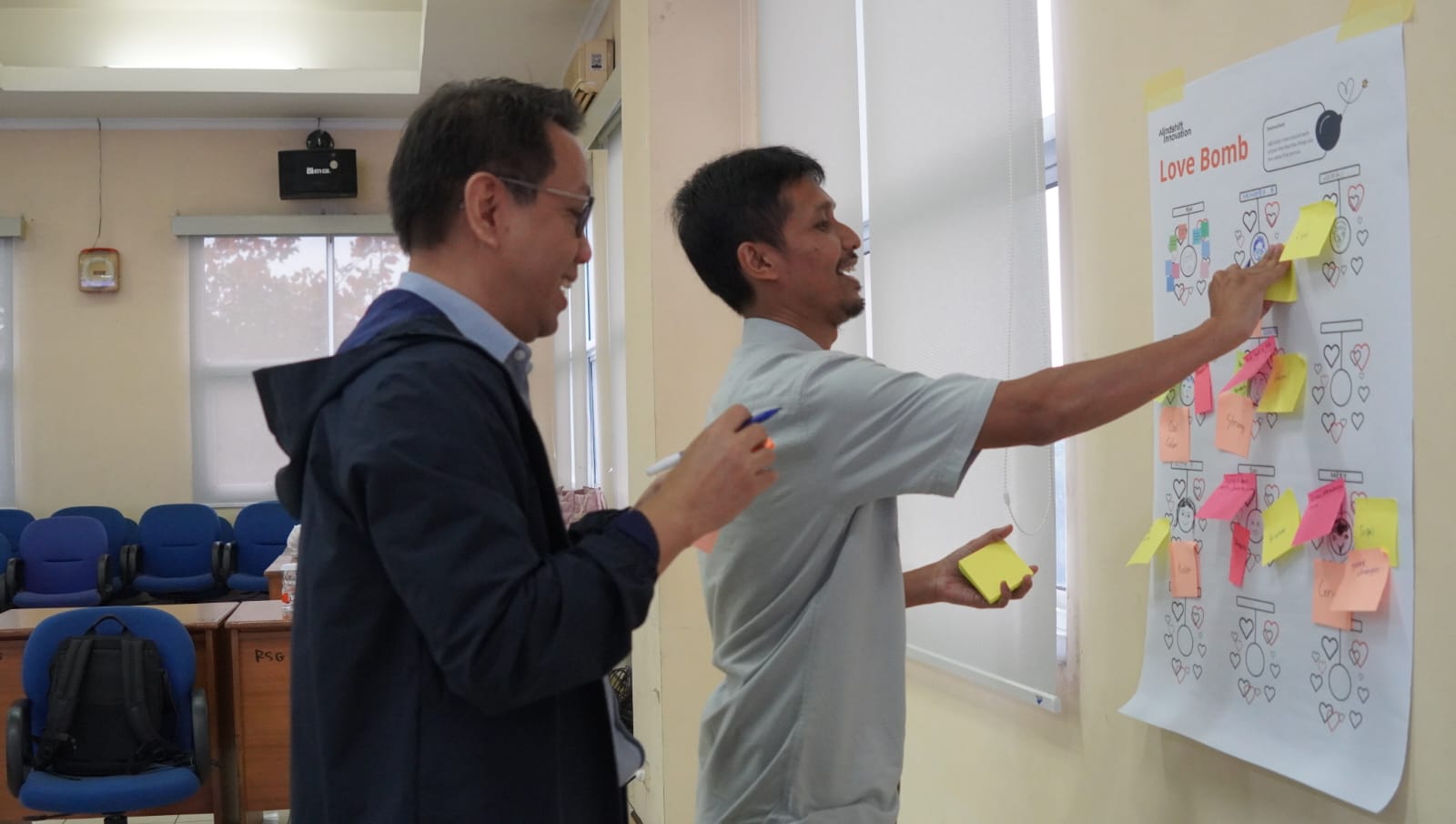
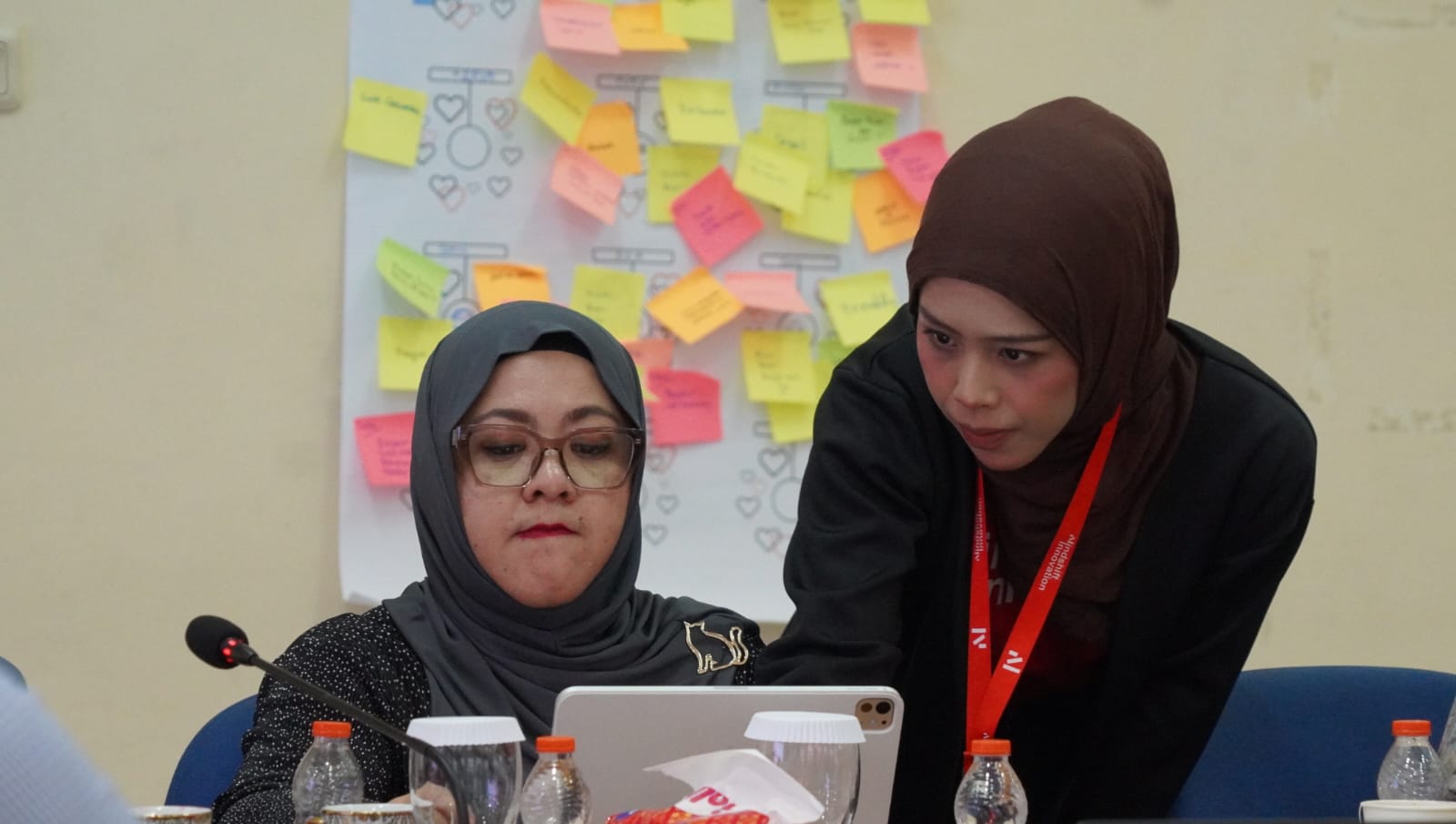
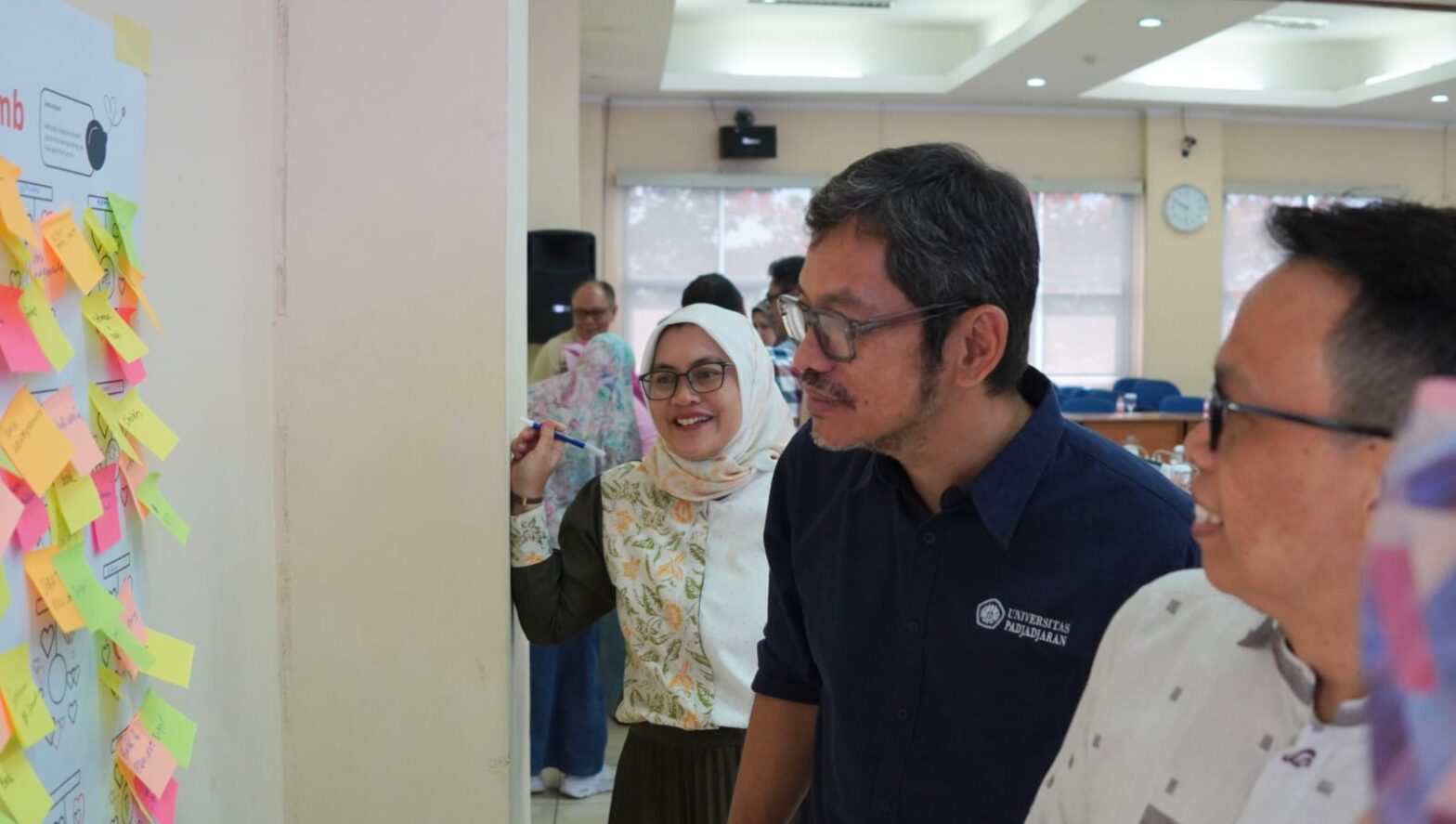
Managerial Skills 1: Decision-Making and Problem-Solving discussed the decision-making framework and a mutually agreed-upon problem-solving approach. Participants actively engaged in decision-making simulations using Case Canvas Micro and the support of AI agents as an analytical toolset.
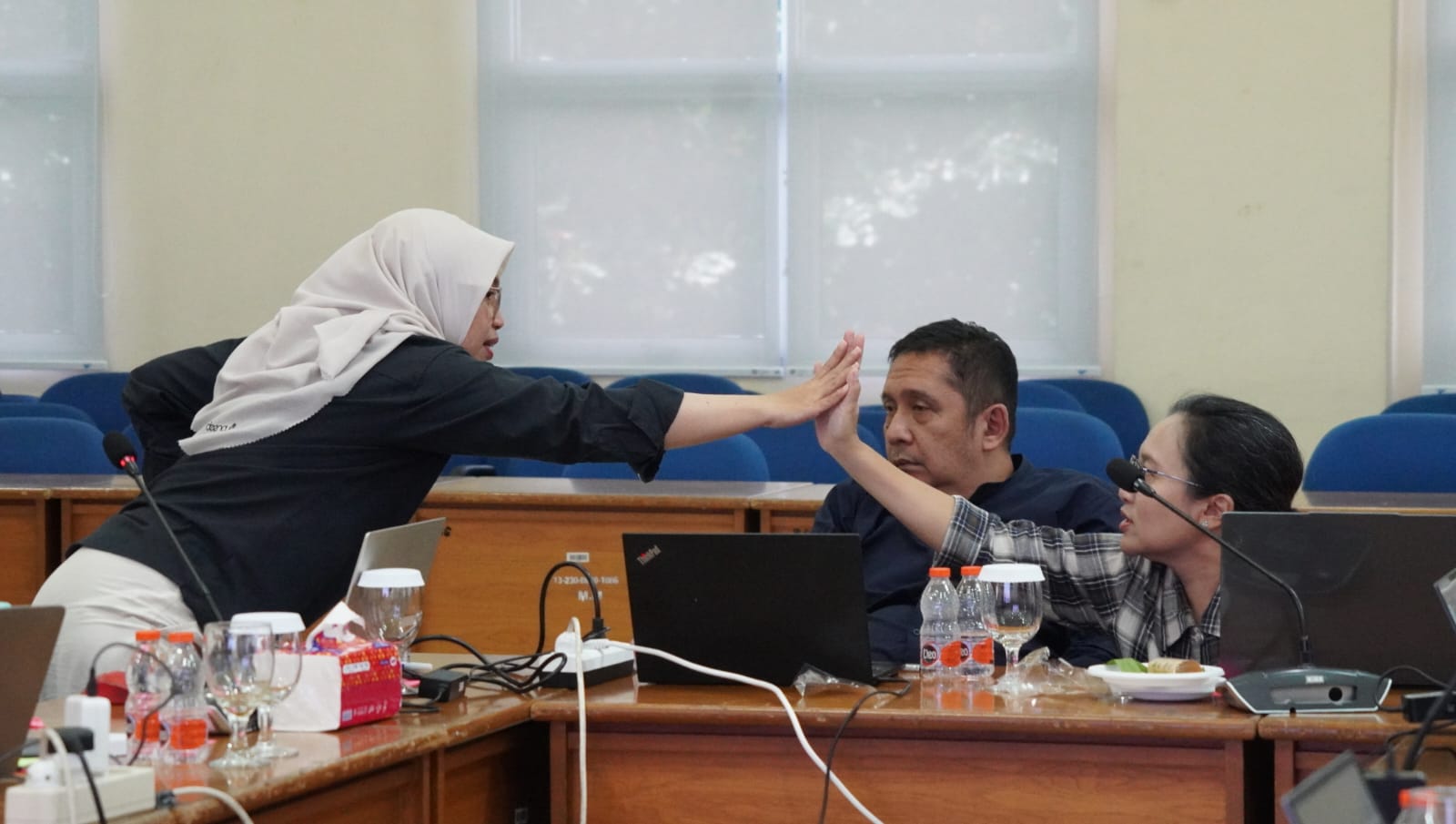
In the next session, Managerial Skills 2: Performance Management and Team Alignment, participants explored performance management strategies, highlighting the key to the success of a work program. Managers must be able to manage and mobilize teams to ensure synergistic work processes.
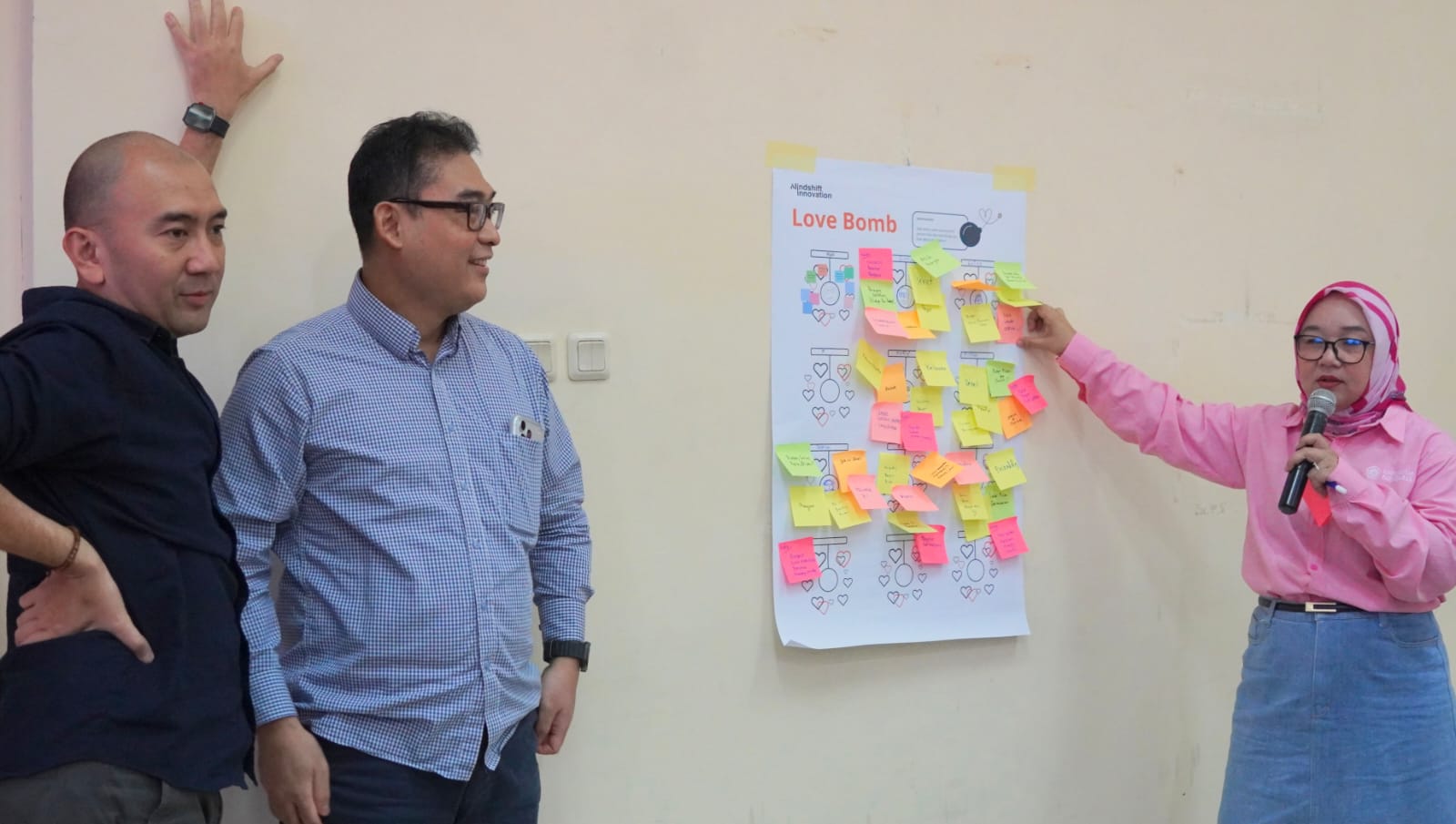
In the final session of the workshop, each group presented their action plans and work program plans. This session served as a space for reflection and strengthened their collective commitment to ensuring that each designed program aligns with the faculty’s strategic vision. The output of this management workshop is expected to have an impact on improving the quality of higher education and building accountable and inclusive institutions through improving managerial competencies and cross-unit team collaboration within the FEB Unpad environment.