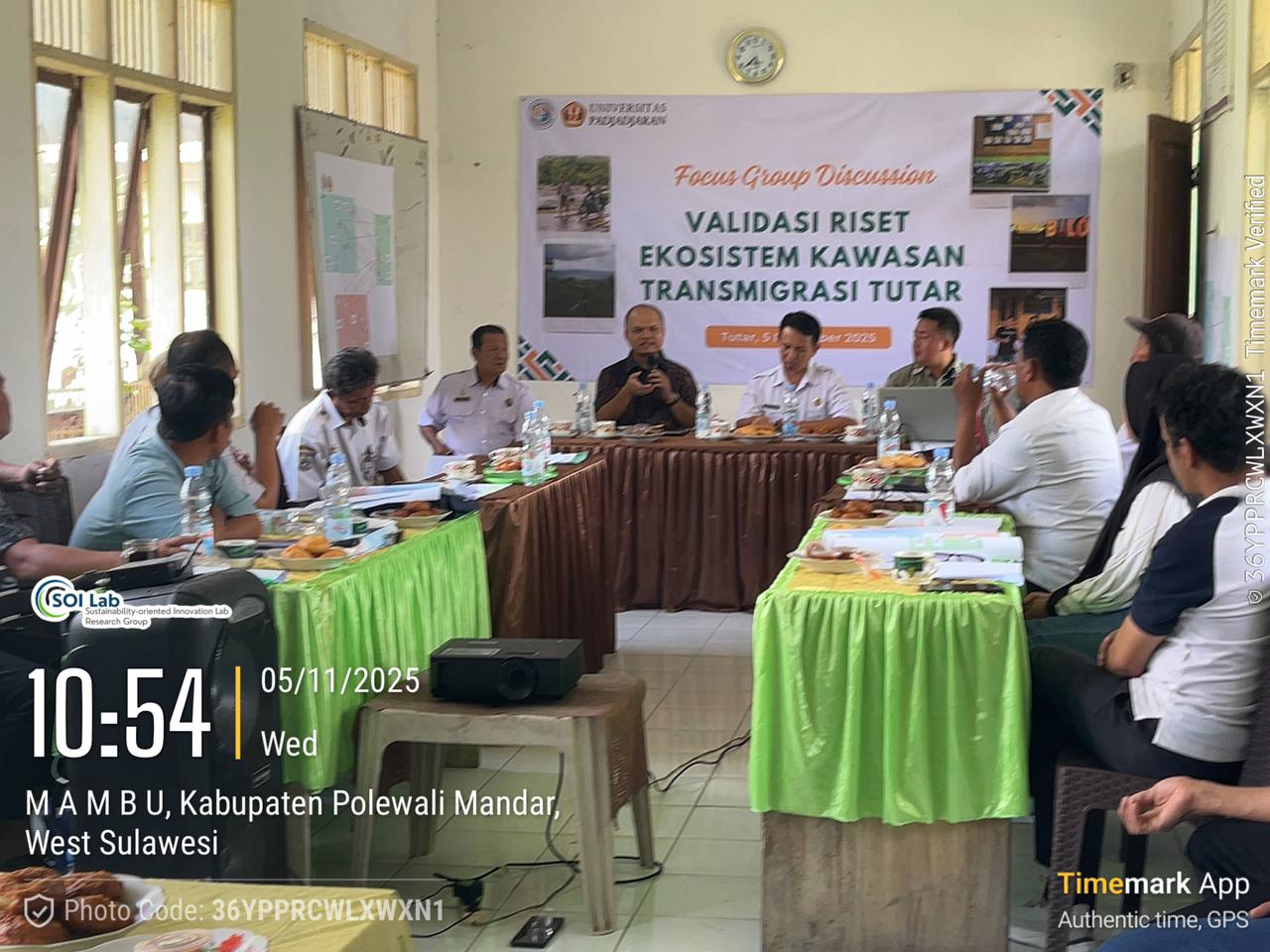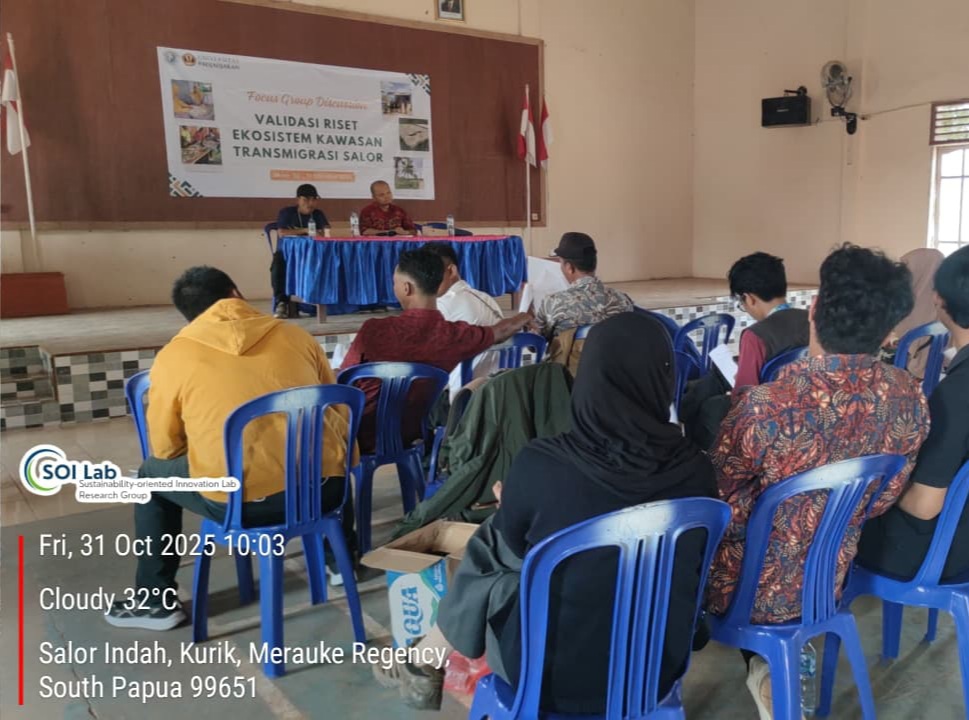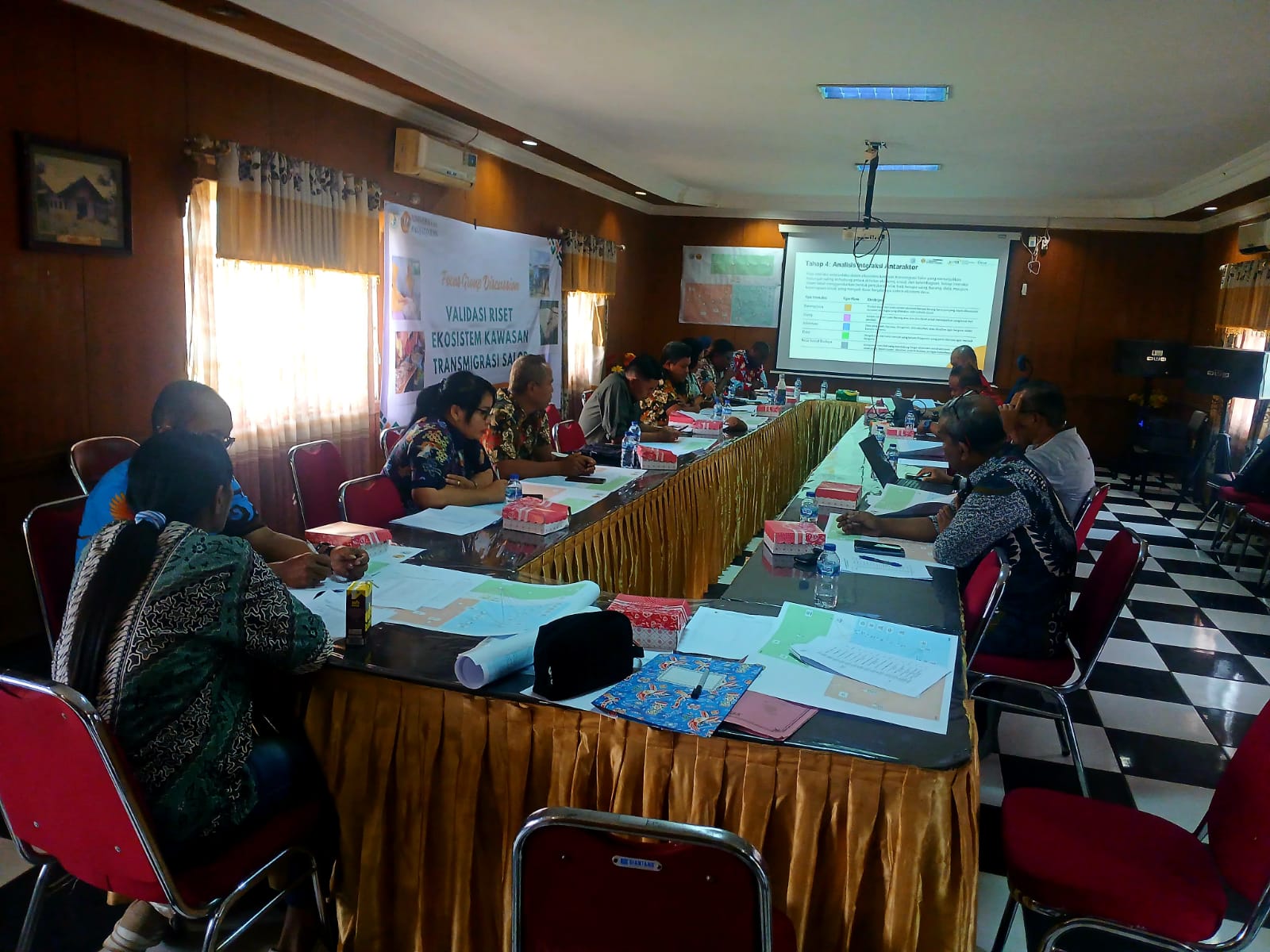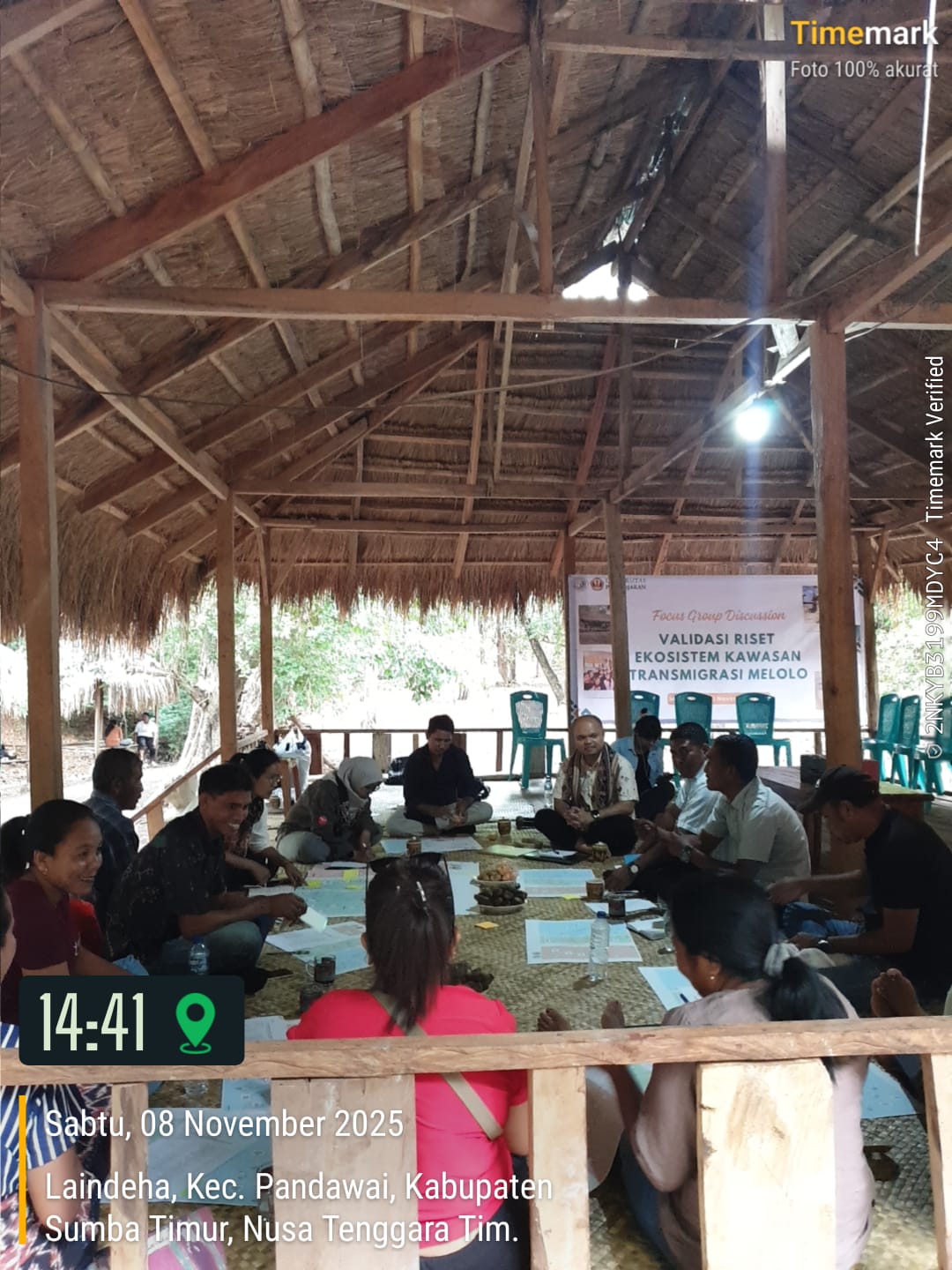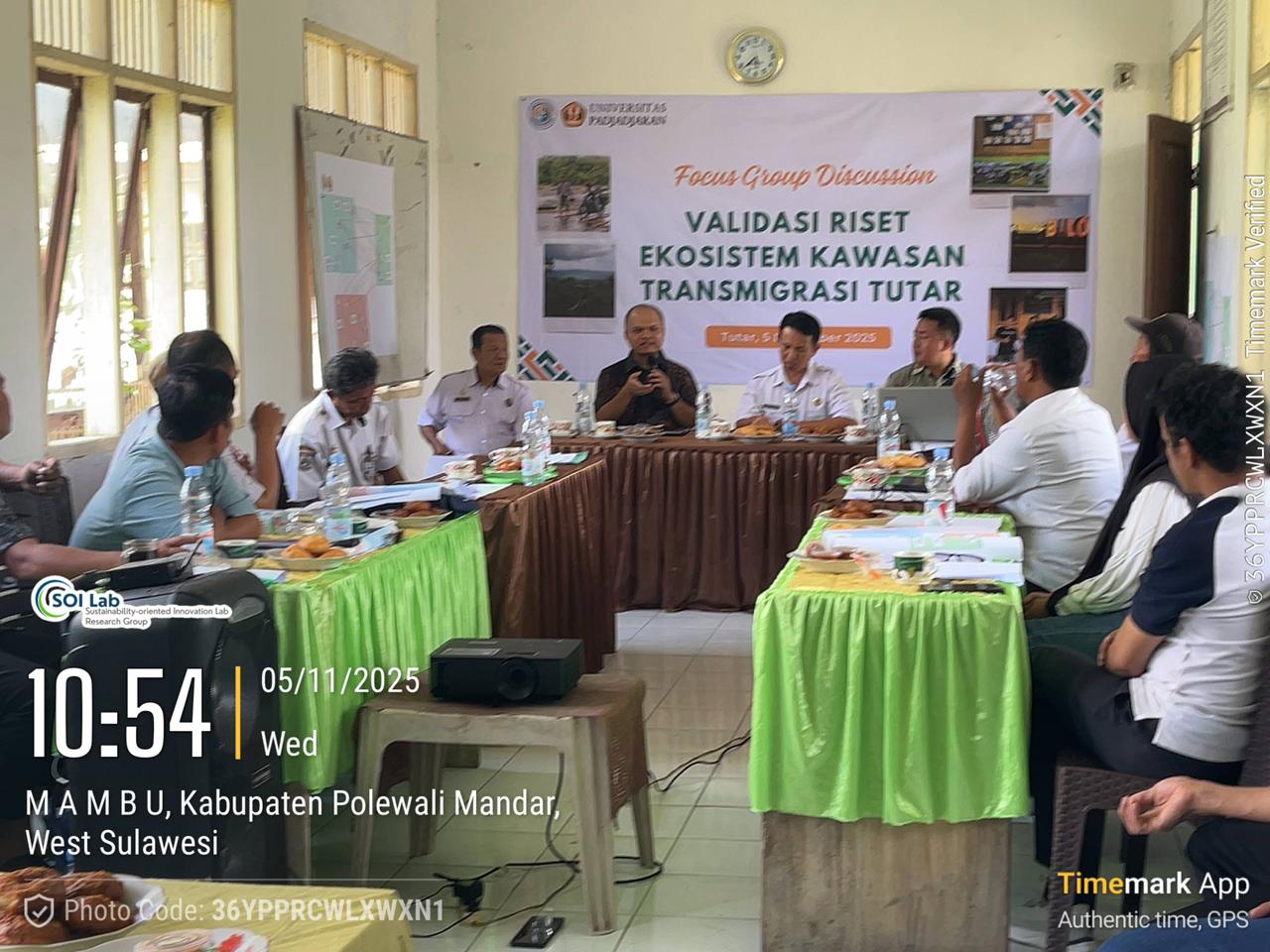
Professor of the Faculty of Economics and Business (FEB) at Padjadjaran University, Prof. Budi Harsanto, led a series of research and Community Service (PKM) activities in three transmigration areas located in Indonesia’s underdeveloped, outermost, and remote (3T) regions. The activities were conducted from October to November 2025 across three locations: the Salor Area in Merauke, South Papua; the Melolo Area in East Sumba, East Nusa Tenggara; and the Tubbi Taramanu Area in Polewali Mandar, West Sulawesi. In addition to strengthening regional databases, the community service program aims to help local communities identify economic potential and map relevant collaboration networks for regional development. This initiative is part of a broader collaboration between the Ministry of Transmigration and Padjadjaran University to improve regional supply chains and formulate innovation-based policy recommendations for transmigration development in regions still facing significant infrastructure and institutional constraints.
During various Focus Group Discussions (FGDs) and field visits, Prof. Budi emphasized that developing transmigration areas requires a strong foundation built upon a clear regional vision, an institutional orchestrator capable of acting as a driving force, and an integrated supporting ecosystem. “Without a mutually agreed-upon long-term vision, actors will work independently. A region must have a shared direction, and each party must understand its role,” he said. He stressed that institutions such as BUMTrans or BUMDes consortiums must carry out market curation, aggregation, and negotiation functions while managing commodity supply chains more efficiently.
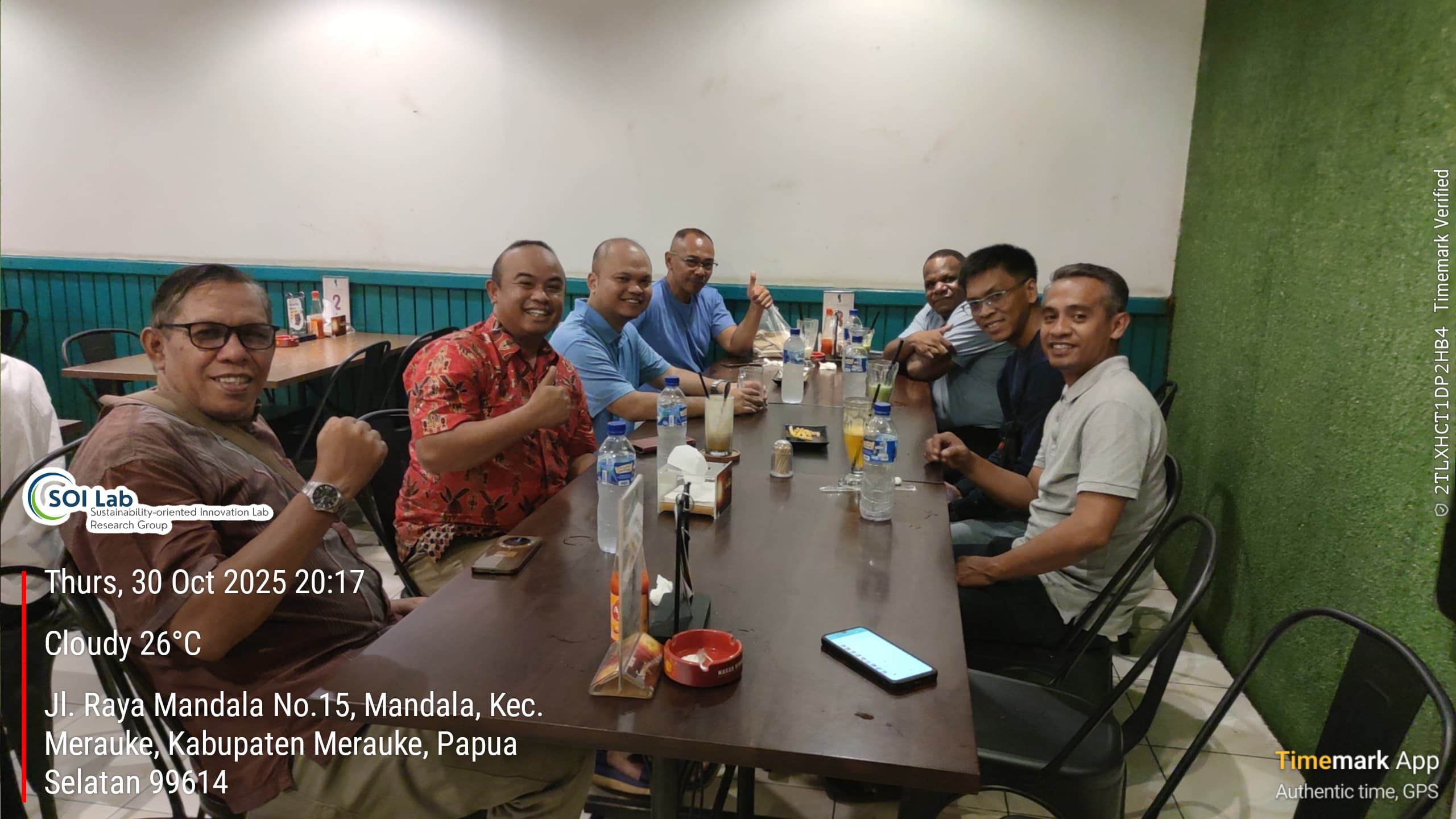
The activities in Salor, South Papua, consisted of two FGDs involving transmigrant communities, MSMEs, mill operators, farmer groups, Village-Owned Enterprises (BUMDes), village heads, and regional technical agencies. The forum highlighted significant economic potential—from agriculture, fisheries, and livestock to the creative economy—yet many elements are still not reflected in the region’s ecosystem and supply chain maps. The most pressing challenges were related to marketing and product absorption. “This year’s harvest was good, but Bulog’s absorption was very limited. As a result, grain piled up at the mill,” said Suliswati, a mill owner in Salor.
Infrastructure issues were also widely raised. Riyanto, the head of Salor Village, noted that damaged roads have caused distribution costs to soar. “The cost of transporting a sack of grain has become much more expensive. When heavy rains come, some roads are even impassable,” he said. Additional problems stemmed from poorly supervised large-scale land clearing, which has resulted in flooding. Another recurring concern was the unresolved legality of village enterprises. “Our BUMK still has not completed its legal process even though we’ve been working on it for years,” said Kusrinah, a BUMK administrator.
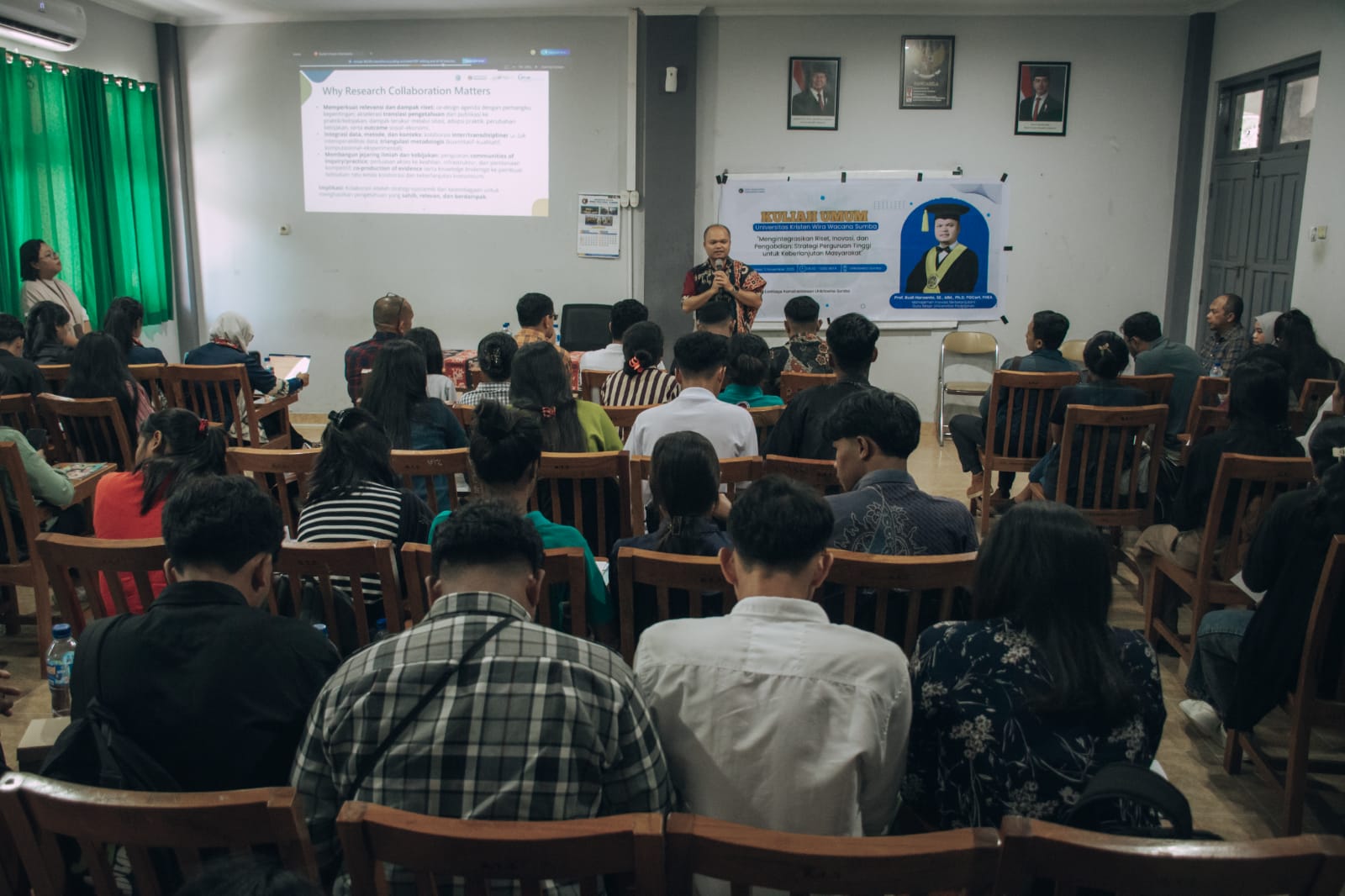
In East Sumba, East Nusa Tenggara, geographical and agroclimatic challenges have driven the need for a more adaptive, innovation-based development approach. The FGD in Melolo was attended by the Deputy Regent of East Sumba, Yonathan Hani, who highlighted the importance of accurate data as the basis for policymaking. “Planning and policymaking to improve community and regional economic development must be based on valid and accurate data. Therefore, I hope that in this forum we can generate constructive and beneficial input for the development of the Melolo transmigration area,” he said. His remarks align with the Unpad team’s research focus, which underscores the role of data-driven innovation in strengthening supply chains and identifying economic opportunities in areas with limited water and transportation access.
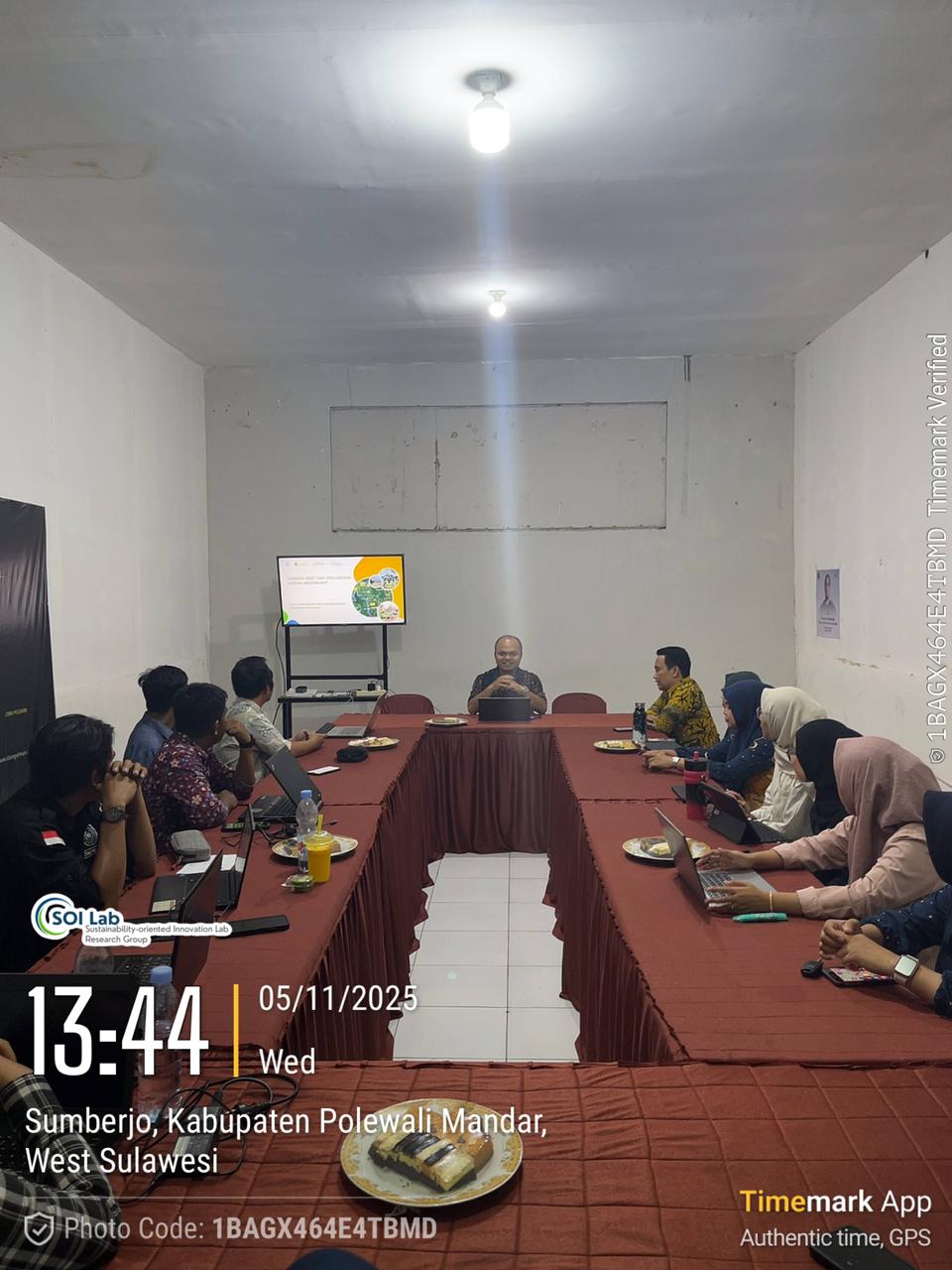
Meanwhile, in Polewali Mandar, West Sulawesi, the transmigration area shows strong potential in agroforestry and food production, but challenges remain in production consolidation and market access. Local community leaders emphasized the importance of long-term mentoring, strengthening village economic organizations, and integrating regional data to ensure smoother and more competitive commodity supply chains. Field discussions also highlighted the need for business management innovation to help communities access broader markets more effectively.
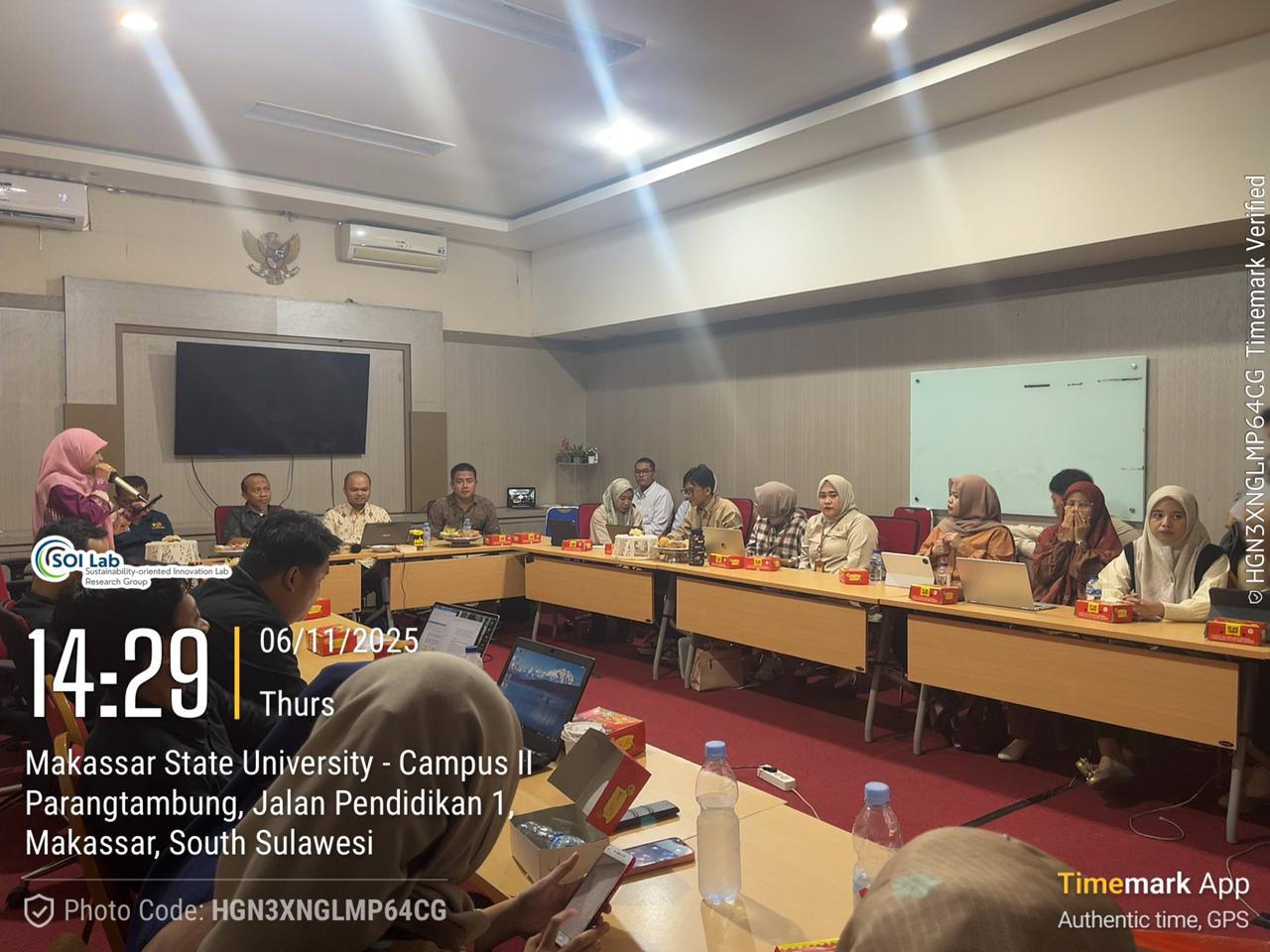
This series of activities also served as momentum for strengthening academic networks in each region. The Unpad team established collaborations with Musamus University in Merauke, Wira Wacana Christian University in East Sumba, the Muhammadiyah Institute of Technology and Business (ITBM) Polewali Mandar in West Sulawesi, and Makassar State University in South Sulawesi. According to Prof. Budi, collaboration with local academic institutions is essential. “Activities like this can be effective only if local universities are involved. Colleagues from local universities better understand the environmental, social, and cultural context of their regions,” he said.