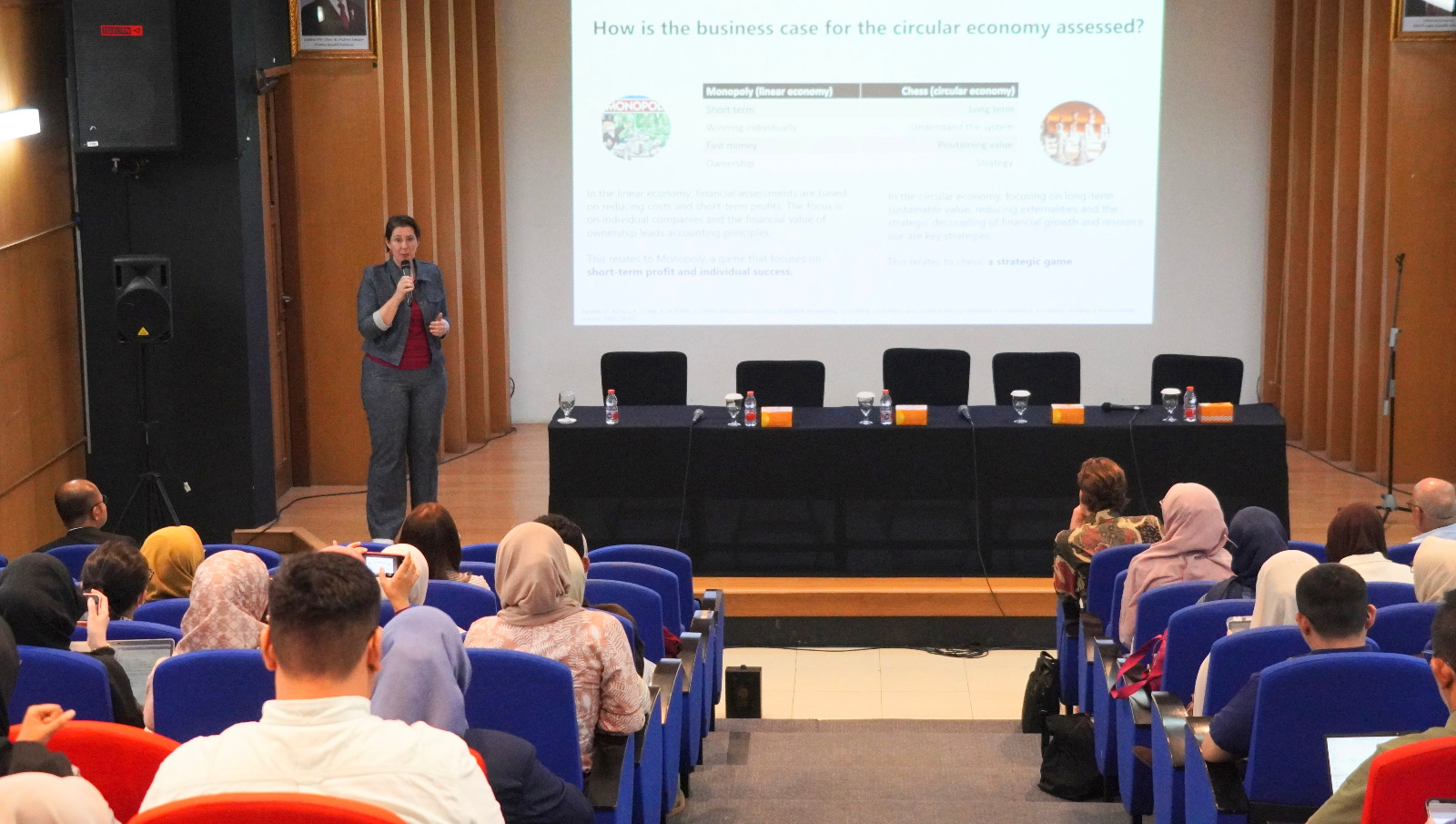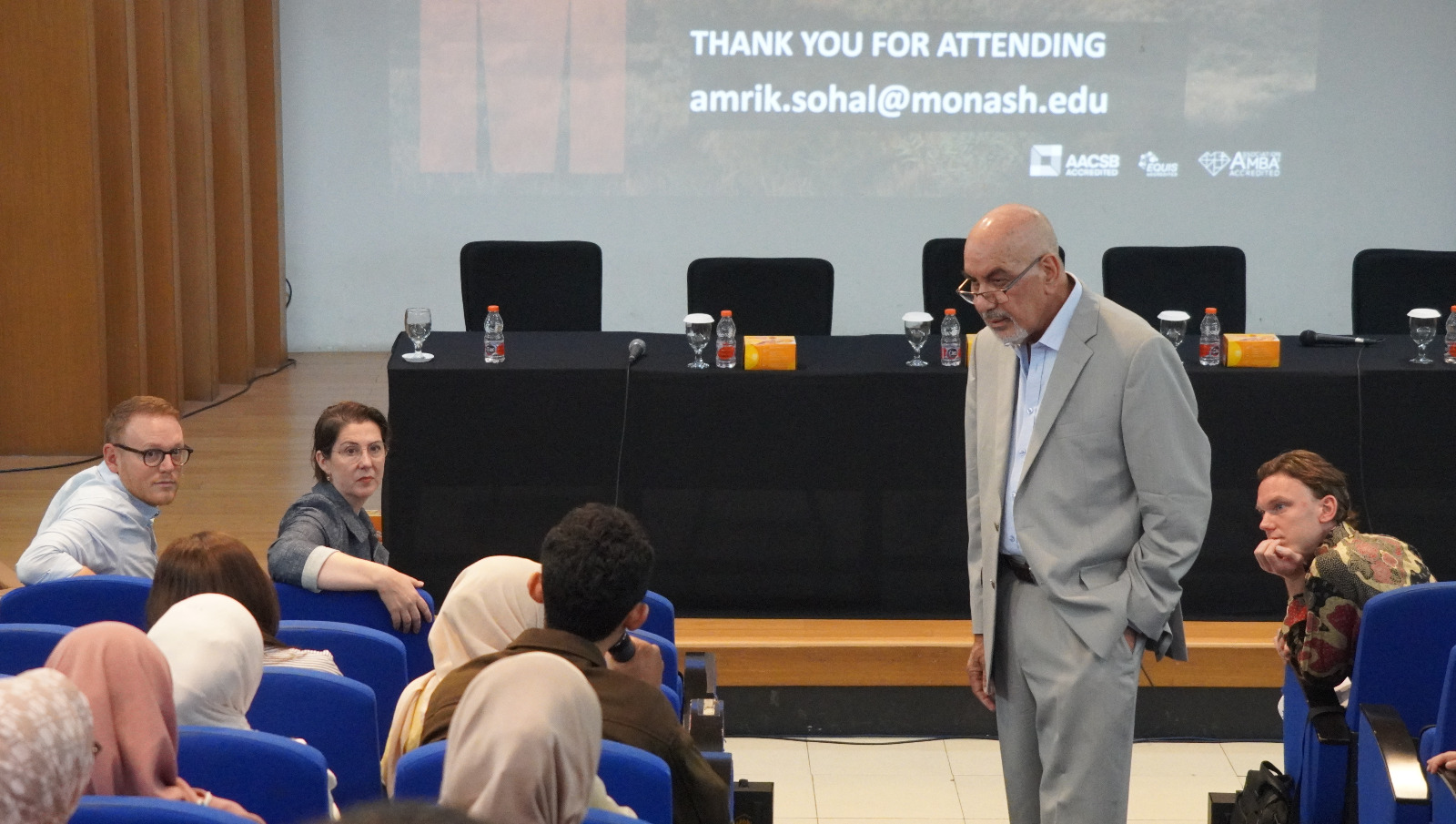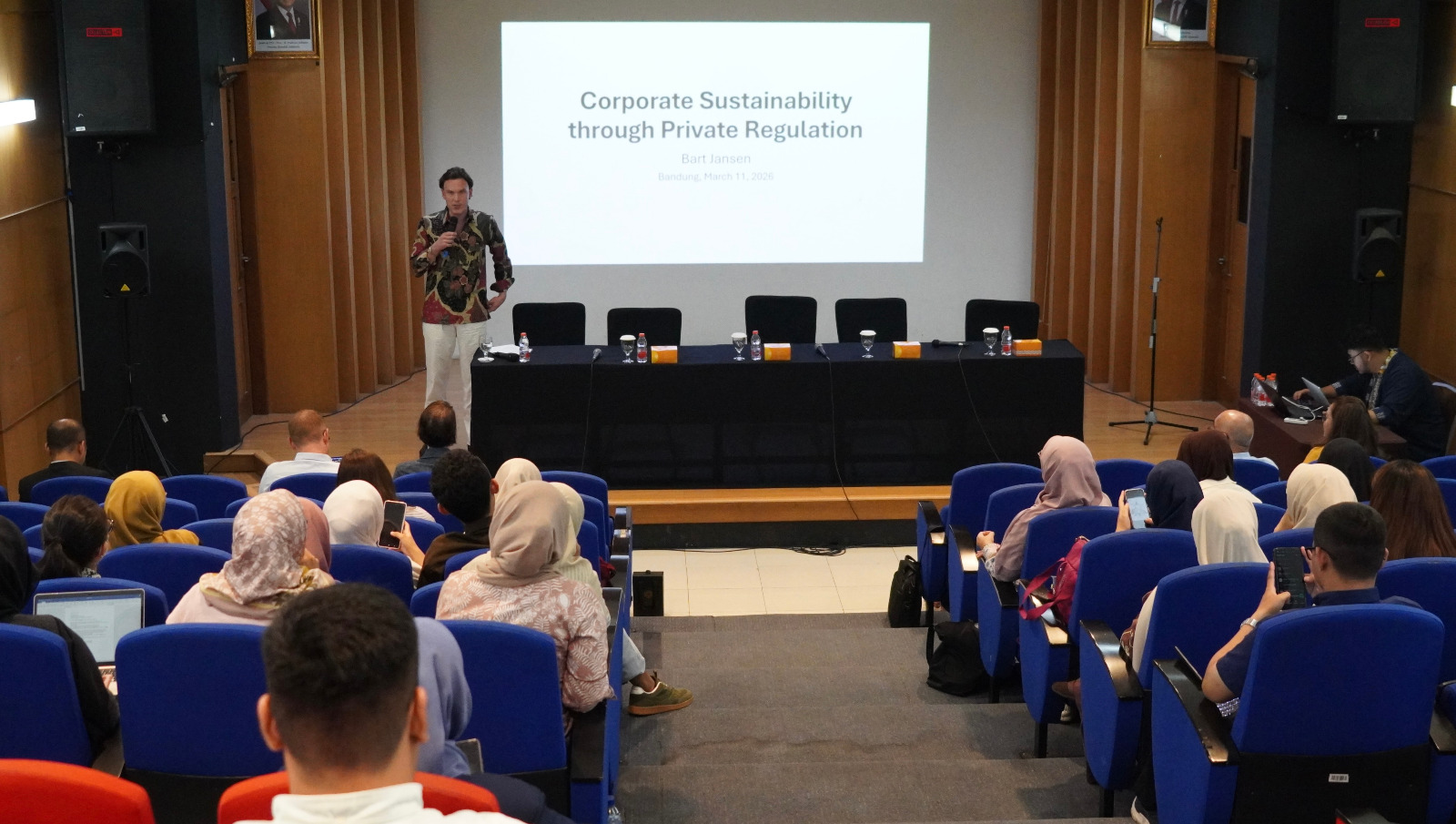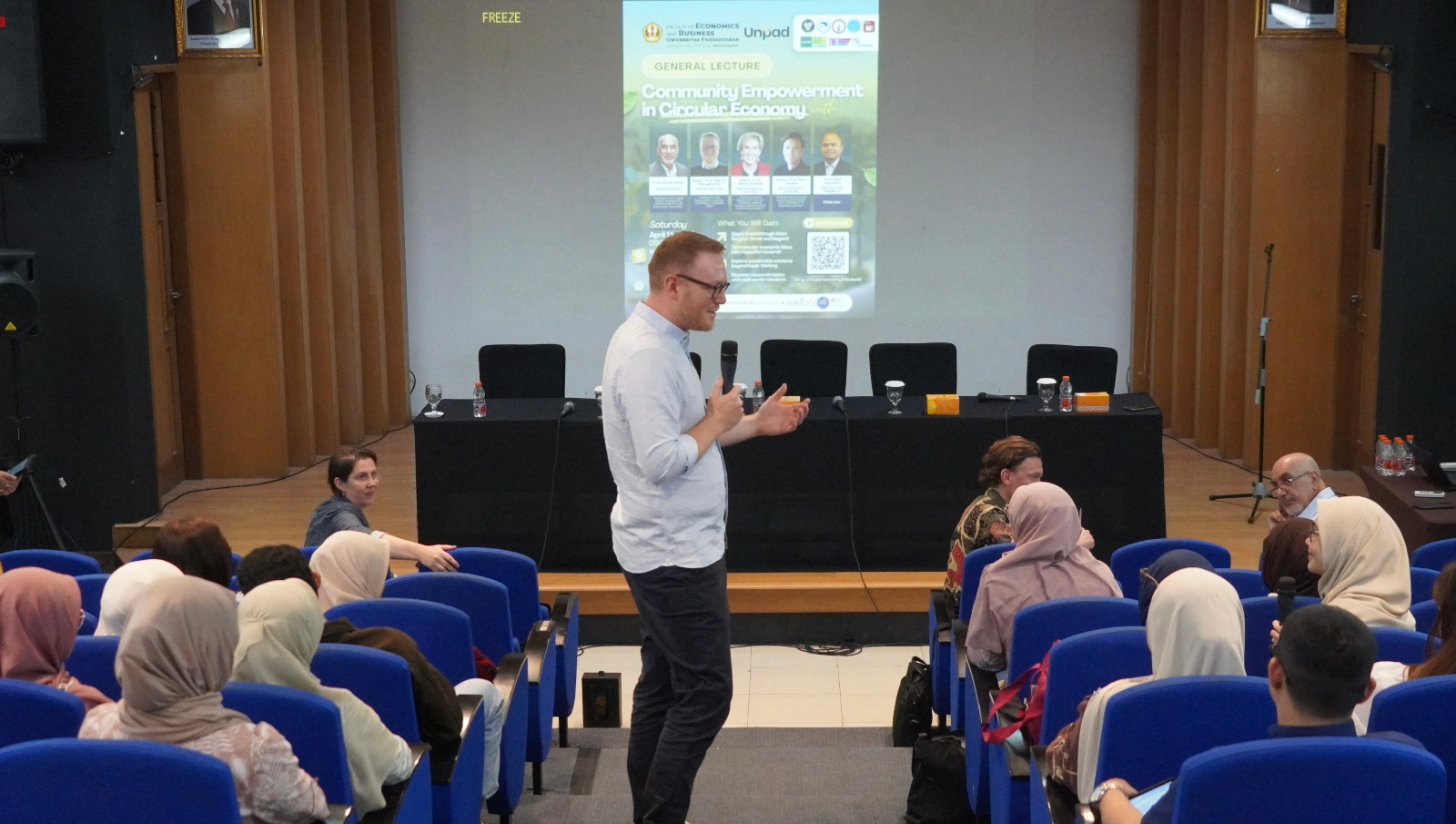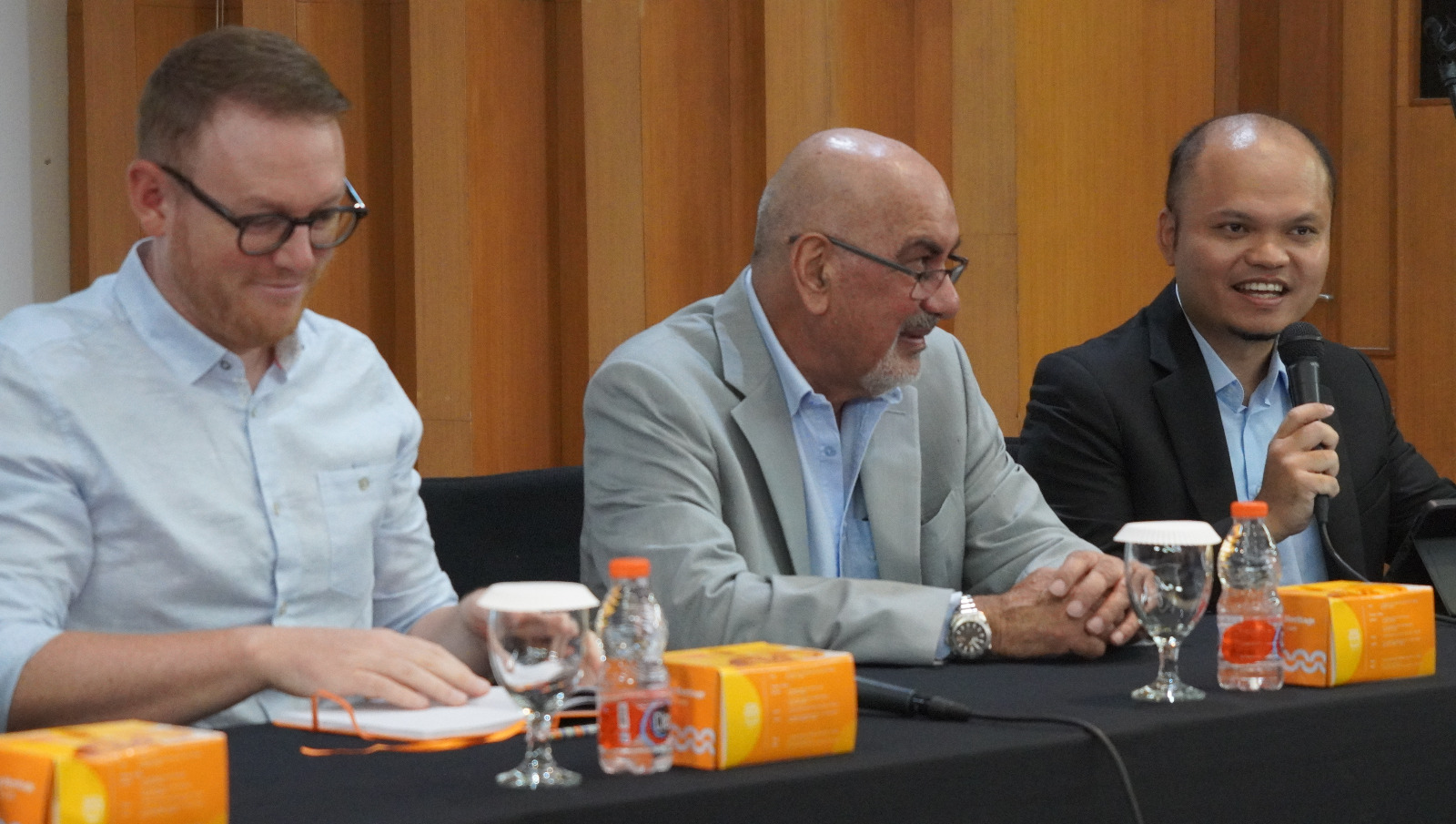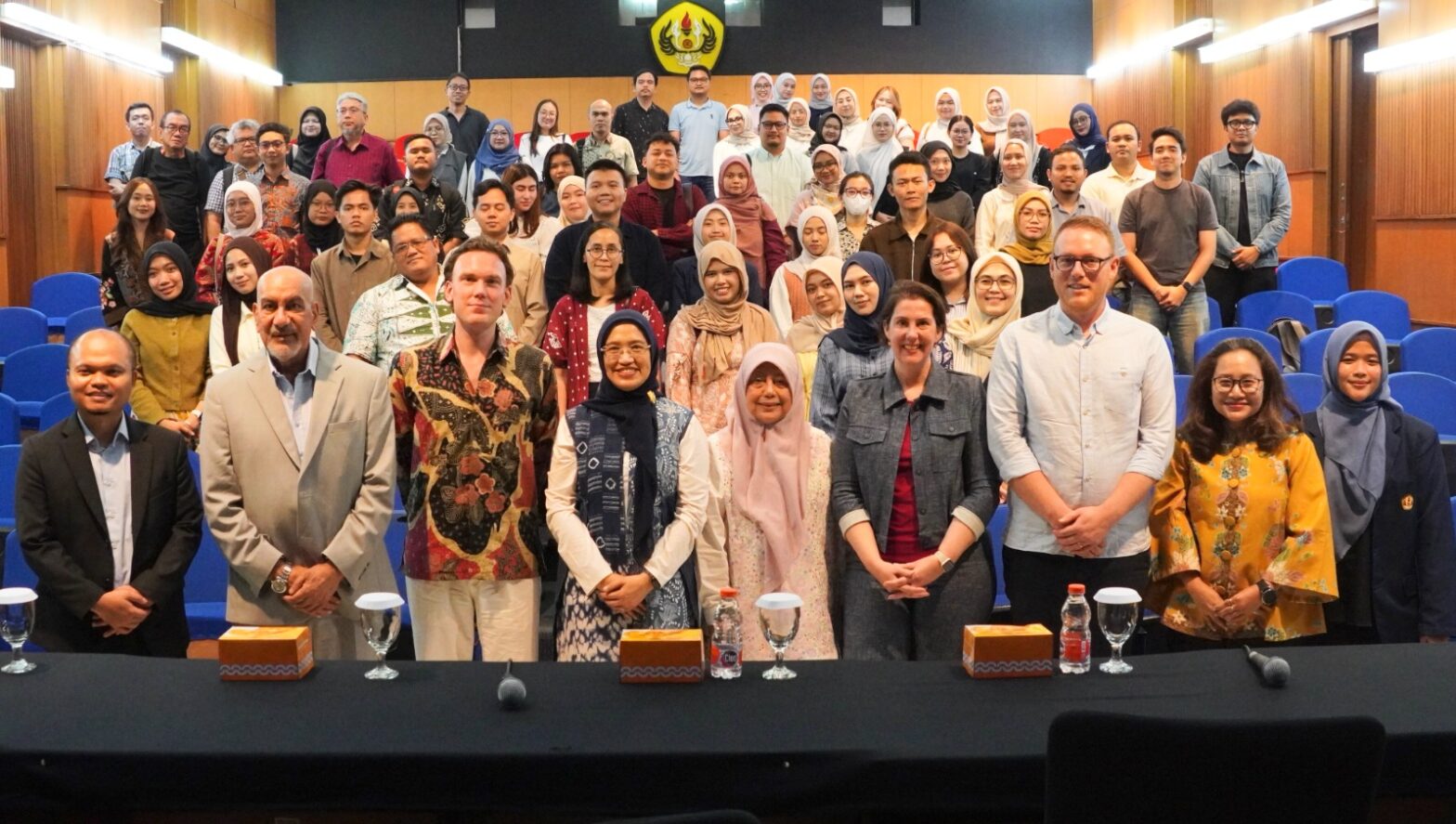
Bandung, 11 April 2026 — The Faculty of Economics and Business, Universitas Padjadjaran (FEB Unpad), hosted a general lecture and panel discussion on “Community Empowerment in Circular Economy”, bringing together international scholars and postgraduate students to explore pathways toward sustainable economic transformation.
The event highlighted the urgency of moving beyond traditional linear business models toward a circular economy—an approach that emphasizes in slowing, closing and narrowing resource loops via the creation and sustaining of a regenerative system to improve resource efficiency and reduce waste—while highlighting the crucial role of community empowerment in ensuring these practices are inclusive, with communities acting not only as beneficiaries but also as key drivers of initiatives such as waste management, recycling, and local entrepreneurship.
The lecture featured distinguished speakers, including Prof Amrik Sohal and Dr. Martin Geissdoerfer from Monash University, Australia, Dr. Diane Zandee and Dr. Bart Jansen from Nyenrode Business University, Netherlands, as well as Prof. Budi Harsanto , S.E., MM., Ph.D., PGCertHE., FHEA., Head of the Master of Management Science (MIM) and Doctor of Management Science (DIM) Study Programs at FEB Universitas Padjadjaran, who shared multidisciplinary insights across operations, strategy, governance, finance, and ethical dimensions. The discussion also emphasized the role of effective incentive systems in aligning the interests of governments, businesses, and communities to foster accountability and sustainable practices, as well as strengthen cross-sector collaboration.
This event aligns closely with SDG 12 Responsible Consumption and Production, which promotes sustainable resource use, waste reduction, and responsible production patterns. Through the lens of circular economy and community empowerment, the discussion reinforced the importance of creating systems that minimize environmental impact while maximizing social and economic value.
The session provided postgraduate students—both at the master’s and doctoral levels—with a valuable platform for academic exchange, encouraging critical discussion on integrating circular economy principles into business strategy and governance. Through this initiatives FEB Unpad reaffirmed its commitment to advancing sustainability-oriented education and research. The general lecture not only enriched students’ understanding of circular economy concepts but also inspired them to contribute actively toward building resilient and inclusive economic systems